Castel Gandolfo fue el retiro estival del Papa desde 1626, hasta que el Papa Francisco lo abrió al público en 2016.
En septiembre de 2015, se abrió al público el tren privado del Papa entre la Ciudad del Vaticano y Castel Gandolfo.
Entre 1870 y 1929, ningún papa visitó Castel Gandolfo debido a las tensiones políticas con el Estado italiano.
El Palacio Apostólico de Castel Gandolfo ofrece un viaje único por la historia papal, el arte y los paisajes serenos, lo que lo convierte en una visita obligada cerca de Roma. Antaño residencia de verano de los papas, el palacio exhibe elegantes habitaciones, exquisitos frescos y tesoros de importancia religiosa y artística. Paseando por sus salas, te encontrarás con siglos de historia eclesiástica, arquitectura refinada y el rico patrimonio cultural del Vaticano.
Sal a los jardines circundantes, incluida la famosa extensión de los Jardines Vaticanos y el Jardín Secreto, donde te esperan cuidadas terrazas, fuentes y vistas panorámicas del lago Albano. Pasea por senderos tranquilos y descubre lugares recónditos donde la historia y la naturaleza se funden a la perfección. Juntos, el palacio y los jardines proporcionan una experiencia inolvidable, perfecta para los aficionados a la historia, los amantes del arte y la arquitectura, y cualquiera que busque la grandeza y la tranquilidad de la vida papal en una visita envolvente.
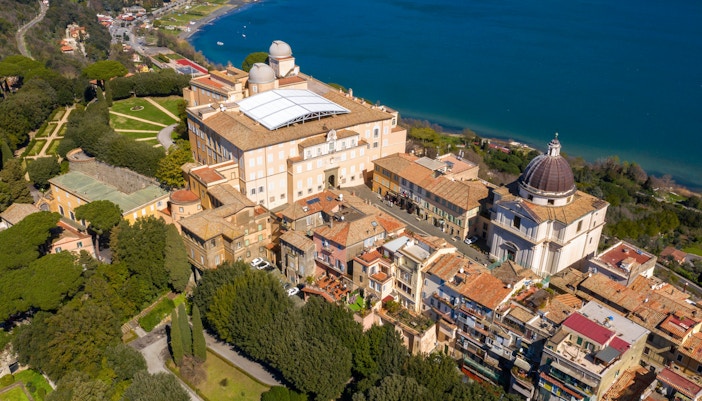
El Palacio Apostólico de Castel Gandolfo tomó forma a lo largo de varios siglos, comenzando en el siglo XVII bajo el papa Urbano VIII de la familia Barberini. Diseñado principalmente por el arquitecto Carlo Maderno, con aportaciones posteriores de Gian Lorenzo Bernini, el palacio transformó el emplazamiento de la antigua villa del emperador Domiciano en una refinada residencia papal.
Los papas sucesivos ampliaron y mejoraron el complejo, añadiendo nuevas alas, terrazas y los jardines Barberini. Con el tiempo, se convirtió en el retiro oficial de verano de los papas, una elegante mezcla de arquitectura barroca, cimientos históricos romanos y amplias vistas del lago Albano. Hoy es uno de los mejores ejemplos del patrimonio arquitectónico papal fuera de la Ciudad del Vaticano.
El nombre procede de la familia Gandolfi, señores medievales que construyeron un castillo en el lugar antes de que más tarde pasara a ser propiedad papal. Con el tiempo, el nombre evolucionó a Castel Gandolfo, aunque a veces también se le conoce como Castel Gondolfo.
No. Durante siglos, siguió siendo un retiro papal privado, inaccesible a los forasteros. Sólo en los últimos años, con el Papa Francisco, se abrieron el Palacio Apostólico y los jardines y se transformaron en museo y destino cultural.
Casi todos los papas, desde Urbano VIII en el siglo XVII hasta Benedicto XVI, utilizaron el palacio como residencia de verano. El Papa Francisco decidió no alojarse allí, y en su lugar lo abrió a los visitantes como parte de su iniciativa para hacer más accesible el patrimonio vaticano.
Sí. El yacimiento se asienta sobre los restos de la villa del emperador Domiciano, un extenso complejo romano con teatros, criptopórticos y jardines. Algunos elementos de estas ruinas aún son visibles hoy en día en los Jardines Barberini.
Toda la propiedad papal de Castel Gandolfo abarca unas 55 hectáreas, incluido el propio palacio, los Jardines Barberini y partes de la antigua villa de Domiciano.
La mayoría de los visitantes pasan unas 2-3 horas explorando el Palacio Apostólico y los Jardines Barberini. Si quieres disfrutar de la ciudad histórica, su plaza y las vistas del lago Albano, planifica una excursión de medio día. Un día completo te da tiempo para dar un paseo o comer tranquilamente junto al lago.
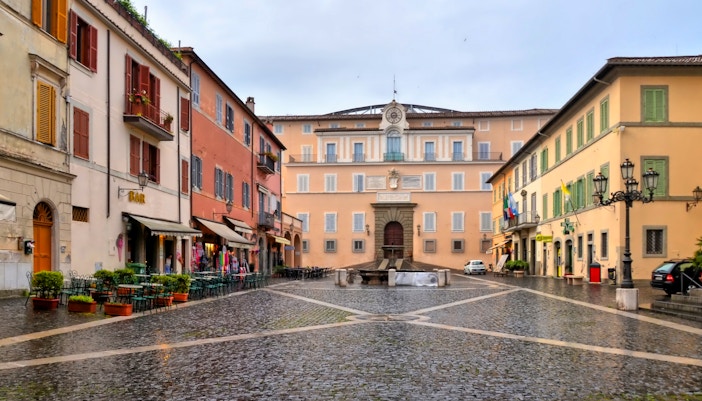
El Palacio Apostólico refleja una grácil mezcla de elegancia barroca y equilibrio clásico, modelada en gran medida por la visión de arquitectos como Carlo Maderno y Gian Lorenzo Bernini. Su digna fachada, orientada hacia la plaza central de la ciudad, se diseñó para proyectar la autoridad papal y, al mismo tiempo, mantener una presencia armoniosa dentro del pueblo de la ladera.
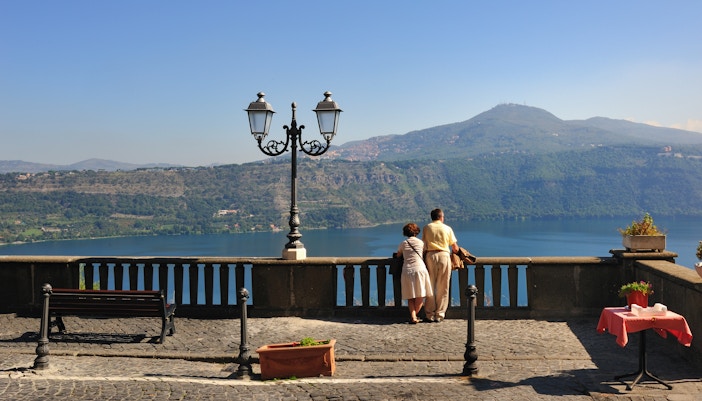
En su interior, el palacio revela una secuencia de apartamentos papales ricamente decorados, salas de recepción ornamentadas y una capilla privada adornada con refinados detalles decorativos, espacios que antaño se utilizaban para retiros estivales, audiencias oficiales y momentos de tranquila devoción. El plan arquitectónico se extiende hacia las Colinas Albanas, donde terrazas, logias y senderos ajardinados se abren a impresionantes vistas del lago Albano **** . Esta interacción entre la grandeza interior y el espectacular paisaje natural es un rasgo definitorio del palacio, que subraya su papel como refugio espiritual y símbolo del prestigio papal.
El nombre procede de la familia Gandolfi, señores medievales que construyeron un castillo en el lugar antes de que más tarde pasara a ser propiedad papal. Con el tiempo, el nombre evolucionó a Castel Gandolfo, aunque a veces también se le conoce como Castel Gondolfo.
No. Durante siglos, siguió siendo un retiro papal privado, inaccesible a los forasteros. Sólo en los últimos años, con el Papa Francisco, se abrieron el Palacio Apostólico y los jardines y se transformaron en museo y destino cultural.
Casi todos los papas, desde Urbano VIII en el siglo XVII hasta Benedicto XVI, utilizaron el palacio como residencia de verano. El Papa Francisco decidió no alojarse allí, y en su lugar lo abrió a los visitantes como parte de su iniciativa para hacer más accesible el patrimonio vaticano.
Sí. El yacimiento se asienta sobre los restos de la villa del emperador Domiciano, un extenso complejo romano con teatros, criptopórticos y jardines. Algunos elementos de estas ruinas aún son visibles hoy en día en los Jardines Barberini.
Toda la propiedad papal de Castel Gandolfo abarca unas 55 hectáreas, incluido el propio palacio, los Jardines Barberini y partes de la antigua villa de Domiciano.
La mayoría de los visitantes pasan unas 2-3 horas explorando el Palacio Apostólico y los Jardines Barberini. Si quieres disfrutar de la ciudad histórica, su plaza y las vistas del lago Albano, planifica una excursión de medio día. Un día completo te da tiempo para dar un paseo o comer tranquilamente junto al lago.

Entradas Palacio y Jardín Secreto de Castel Gandolfo
Castel Gandolfo Experiencia Completa con tour en Eco-Minibus por los Jardines Pontificios
Entradas a las cúpulas del observatorio de Castel Gandolfo
Combo (Ahorra un 35%): Castel Gandolfo Full Experience + Museos Vaticanos y visita guiada a la Capilla Sixtina