The Apostolic Palace at Castel Gandolfo offers a unique journey through papal history, art, and serene landscapes, making it a must-visit near Rome. Once the summer residence of the popes, the palace showcases elegant rooms, exquisite frescoes, and treasures of religious and artistic significance. Walking through its halls, you’ll encounter centuries of ecclesiastical history, refined architecture, and the rich cultural heritage of the Vatican.
Step outside into the surrounding gardens, including the famed Vatican Gardens extension and the Secret Garden, where manicured terraces, fountains, and panoramic views of Lake Albano await. Wander along peaceful paths and discover secluded spots where history and nature blend seamlessly. Together, the palace and gardens provide an unforgettable experience, perfect for history buffs, art and architecture lovers, and anyone seeking the grandeur and tranquility of papal life in one immersive visit.
El nombre procede de la familia Gandolfi, señores medievales que construyeron un castillo en el lugar antes de que más tarde pasara a ser propiedad papal. Con el tiempo, el nombre evolucionó a Castel Gandolfo, aunque a veces también se le conoce como Castel Gondolfo.
No. Durante siglos, siguió siendo un retiro papal privado, inaccesible a los forasteros. Sólo en los últimos años, con el Papa Francisco, se abrieron el Palacio Apostólico y los jardines y se transformaron en museo y destino cultural.
Casi todos los papas, desde Urbano VIII en el siglo XVII hasta Benedicto XVI, utilizaron el palacio como residencia de verano. El Papa Francisco decidió no alojarse allí, y en su lugar lo abrió a los visitantes como parte de su iniciativa para hacer más accesible el patrimonio vaticano.
Sí. El yacimiento se asienta sobre los restos de la villa del emperador Domiciano, un extenso complejo romano con teatros, criptopórticos y jardines. Algunos elementos de estas ruinas aún son visibles hoy en día en los Jardines Barberini.
Toda la propiedad papal de Castel Gandolfo abarca unas 55 hectáreas, incluido el propio palacio, los Jardines Barberini y partes de la antigua villa de Domiciano.
La mayoría de los visitantes pasan unas 2-3 horas explorando el Palacio Apostólico y los Jardines Barberini. Si quieres disfrutar de la ciudad histórica, su plaza y las vistas del lago Albano, planifica una excursión de medio día. Un día completo te da tiempo para dar un paseo o comer tranquilamente junto al lago.
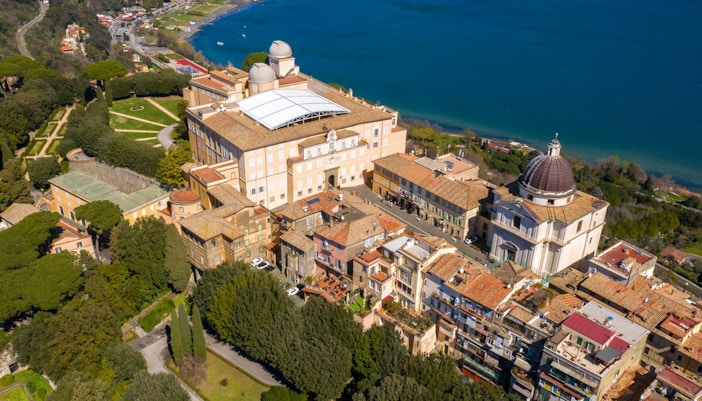
The Apostolic Palace reflects a graceful mix of Baroque elegance and classical balance, shaped largely by the vision of architects like Carlo Maderno and Gian Lorenzo Bernini. Its dignified façade, facing the town’s central square, was designed to project papal authority while maintaining a harmonious presence within the hillside village.
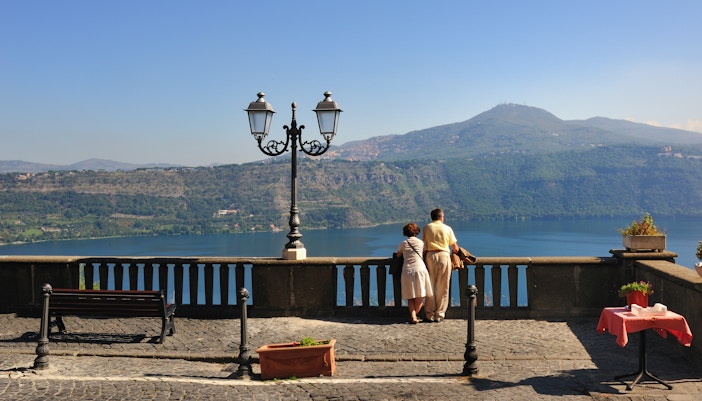
Inside, the palace reveals a sequence of richly appointed papal apartments, ornate reception rooms, and a private chapel adorned with refined decorative details, spaces once used for summer retreats, official audiences, and moments of quiet devotion. The architectural plan stretches outward toward the Alban Hills, where terraces, loggias, and garden pathways open onto breathtaking views of Lake Albano. This interplay between interior grandeur and dramatic natural scenery is a defining feature of the palace, underscoring its role as both a spiritual refuge and a symbol of papal prestige.
The name comes from the Gandolfi family, medieval lords who built a castle on the site before it later became papal property. Over time, the name evolved into Castel Gandolfo, though it is sometimes also referred to as Castel Gondolfo.
No. For centuries, it remained a private papal retreat, inaccessible to outsiders. It was only in recent years, under Pope Francis, that the Apostolic Palace and gardens were opened and transformed into a museum and cultural destination.
Almost every pope from Urban VIII in the 17th century up until Benedict XVI used the palace as their summer residence. Pope Francis chose not to stay there, instead opening it to visitors as part of his initiative to make Vatican heritage more accessible.
Yes. The site sits on the remains of Emperor Domitian’s villa, a sprawling Roman complex with theatres, cryptoporticos, and gardens. Elements of these ruins are still visible in the Barberini Gardens today.
The entire papal estate at Castel Gandolfo covers about 55 hectares, including the palace itself, the Barberini Gardens, and parts of Domitian’s ancient villa.
Most visitors spend about 2–3 hours exploring the Apostolic Palace and Barberini Gardens. If you’d like to enjoy the historic town, its piazza, and the views over Lake Albano, plan for a half-day trip. A full day allows time for a leisurely lakeside walk or meal.

Entradas Palacio y Jardín Secreto de Castel Gandolfo
Entradas a las cúpulas del observatorio de Castel Gandolfo
Castel Gandolfo Experiencia Completa con tour en Eco-Minibus por los Jardines Pontificios
Combo (Ahorra un 21%): Palacio de Castel Gandolfo + Entradas Museos Vaticanos y Capilla Sixtina
Castel Gandolfo fue el retiro estival del Papa desde 1626, hasta que el Papa Francisco lo abrió al público en 2016.
En septiembre de 2015, se abrió al público el tren privado del Papa entre la Ciudad del Vaticano y Castel Gandolfo.
Entre 1870 y 1929, ningún papa visitó Castel Gandolfo debido a las tensiones políticas con el Estado italiano.