En bref

DURÉE RECOMMANDÉE

3 heures

Planifier votre visite

Le saviez-vous ?

Castel Gandolfo a servi de retraite d'été au pape depuis 1626, jusqu'à ce que le pape François l'ouvre au public en 2016.

En septembre 2015, le train privé du pape entre la Cité du Vatican et Castel Gandolfo a été ouvert au public.

Entre 1870 et 1929, aucun pape ne s'est rendu à Castel Gandolfo en raison de tensions politiques avec l'État italien.

Why is the Castel Gandolfo Apostolic Palace a must-visit attraction?

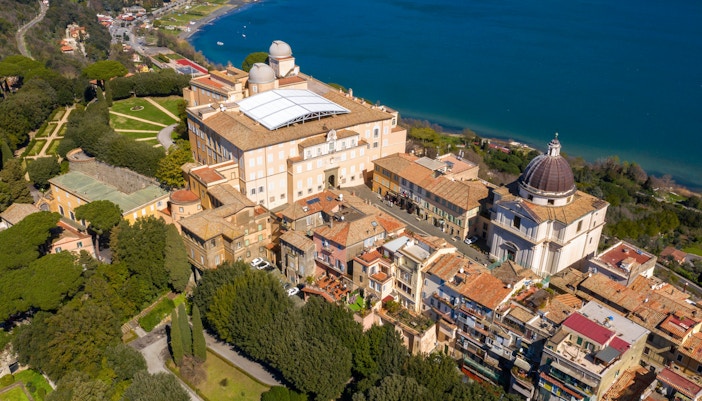
The Apostolic Palace at Castel Gandolfo offers a unique journey through papal history, art, and serene landscapes, making it a must-visit near Rome. Once the summer residence of the popes, the palace showcases elegant rooms, exquisite frescoes, and treasures of religious and artistic significance. Walking through its halls, you’ll encounter centuries of ecclesiastical history, refined architecture, and the rich cultural heritage of the Vatican.

Step outside into the surrounding gardens, including the famed Vatican Gardens extension and the Secret Garden, where manicured terraces, fountains, and panoramic views of Lake Albano await. Wander along peaceful paths and discover secluded spots where history and nature blend seamlessly. Together, the palace and gardens provide an unforgettable experience, perfect for history buffs, art and architecture lovers, and anyone seeking the grandeur and tranquility of papal life in one immersive visit.

Des papes au peuple : l'héritage du palais apostolique

  • 1596: La propriété de Castel Gandolfo passe de la famille Savelli au Saint-Siège après des siècles de propriété noble.
  • 1624: Le pape Urbain VIII commande le palais apostolique, conçu par l'architecte Carlo Maderno, pour en faire une résidence d'été papale.
  • 17e-18e siècles: Les papes successifs agrandissent le complexe et développent les jardins, en y incorporant les ruines de l'ancienne villa de l'empereur Domitien.
  • 1929: Avec le traité du Latran, Castel Gandolfo devient officiellement une propriété extraterritoriale du Vatican.
  • 1944: Pendant la Seconde Guerre mondiale, le pape Pie XII abrite des milliers de réfugiés à l'intérieur du palais, le transformant en un lieu sûr.
  • 2014: Le pape François ouvre certaines parties du palais et des jardins Barberini au public pour la première fois de l'histoire.
  • 2016: Le palais apostolique cesse d'être utilisé comme résidence papale et est transformé en musée, où sont exposés les appartements, les objets et les portraits des papes.

A brief history of the Castel Gandolfo Apostolic Palace

  • 1596: The property of Castel Gandolfo passes from the Savelli family to the Holy See after centuries of noble ownership.
  • 1624: Pope Urban VIII commissions the Apostolic Palace, designed by architect Carlo Maderno, as a papal summer residence.
  • 17th–18th centuries: Successive popes expand the complex and develop the gardens, incorporating the ruins of Emperor Domitian’s ancient villa.
  • 1929: With the Lateran Treaty, Castel Gandolfo officially becomes extraterritorial property of the Vatican.
  • 1944: During World War II, Pope Pius XII shelters thousands of refugees inside the palace, turning it into a place of safety.
  • 2014: Pope Francis opens parts of the palace and Barberini Gardens to the public for the first time in history.
  • 2016: The Apostolic Palace ceases to be used as a papal residence and is transformed into a museum, showcasing papal apartments, artifacts, and portraits.

Questions fréquemment posées sur le Palais apostolique de Castel Gandolfo

Le nom vient de la famille Gandolfi, des seigneurs médiévaux qui ont construit un château sur le site avant qu'il ne devienne une propriété papale. Au fil du temps, le nom s'est transformé en Castel Gandolfo, bien qu'il soit parfois appelé Castel Gondolfo.

Architecture of the Castel Gandolfo Apostolic Palace

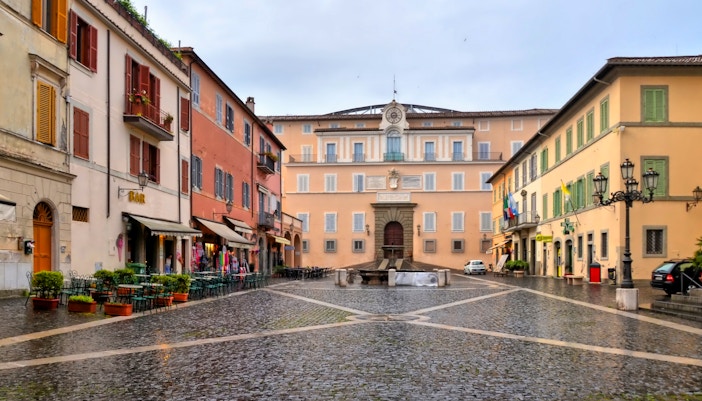
The Apostolic Palace reflects a graceful mix of Baroque elegance and classical balance, shaped largely by the vision of architects like Carlo Maderno and Gian Lorenzo Bernini. Its dignified façade, facing the town’s central square, was designed to project papal authority while maintaining a harmonious presence within the hillside village.

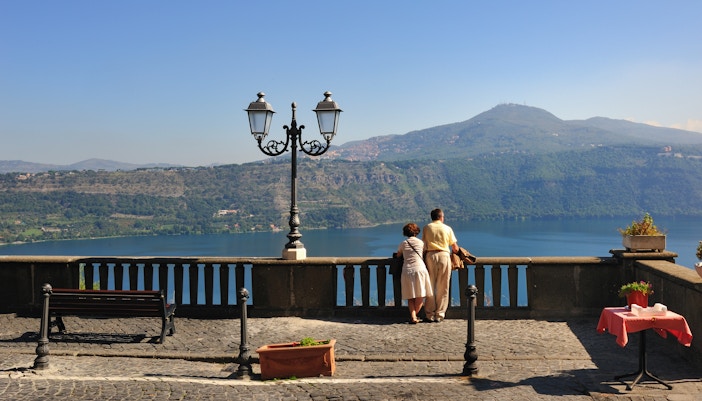
Inside, the palace reveals a sequence of richly appointed papal apartments, ornate reception rooms, and a private chapel adorned with refined decorative details, spaces once used for summer retreats, official audiences, and moments of quiet devotion. The architectural plan stretches outward toward the Alban Hills, where terraces, loggias, and garden pathways open onto breathtaking views of Lake Albano. This interplay between interior grandeur and dramatic natural scenery is a defining feature of the palace, underscoring its role as both a spiritual refuge and a symbol of papal prestige.

Questions fréquemment posées sur le Palais apostolique de Castel Gandolfo

Le nom vient de la famille Gandolfi, des seigneurs médiévaux qui ont construit un château sur le site avant qu'il ne devienne une propriété papale. Au fil du temps, le nom s'est transformé en Castel Gandolfo, bien qu'il soit parfois appelé Castel Gondolfo.

More reads

Castel Gandolfo town

Plan your visit

Directions