En bref
Planifier votre visiteLe saviez-vous ?
Castel Gandolfo a servi de retraite d'été au pape depuis 1626, jusqu'à ce que le pape François l'ouvre au public en 2016.
En septembre 2015, le train privé du pape entre la Cité du Vatican et Castel Gandolfo a été ouvert au public.
Entre 1870 et 1929, aucun pape ne s'est rendu à Castel Gandolfo en raison de tensions politiques avec l'État italien.
Why is the Castel Gandolfo Apostolic Palace a must-visit attraction?
The Apostolic Palace at Castel Gandolfo offers a unique journey through papal history, art, and serene landscapes, making it a must-visit near Rome. Once the summer residence of the popes, the palace showcases elegant rooms, exquisite frescoes, and treasures of religious and artistic significance. Walking through its halls, you’ll encounter centuries of ecclesiastical history, refined architecture, and the rich cultural heritage of the Vatican.
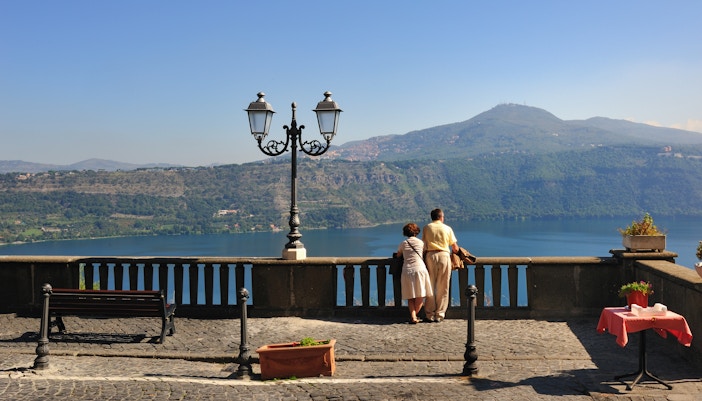
Step outside into the surrounding gardens, including the famed Vatican Gardens extension and the Secret Garden, where manicured terraces, fountains, and panoramic views of Lake Albano await. Wander along peaceful paths and discover secluded spots where history and nature blend seamlessly. Together, the palace and gardens provide an unforgettable experience, perfect for history buffs, art and architecture lovers, and anyone seeking the grandeur and tranquility of papal life in one immersive visit.
Des papes au peuple : l’héritage du Palais apostolique
- 1596: Après avoir appartenu à des familles nobles pendant des siècles, le domaine de Castel Gandolfo passe de la famille Savelli au Saint-Siège.
- 1624: Le pape Urbain VIII fait construire le Palais apostolique, conçu par l'architecte Carlo Maderno, pour en faire une résidence d'été papale.
- XVIIe-XVIIIe siècles : Les papes qui se succédèrent agrandirent le complexe et aménagèrent les jardins, en y intégrant les ruines de l'ancienne villa de l'empereur Domitien.
- 1929 : Avec le Traité du Latran, Castel Gandolfo devient officiellement un territoire extraterritorial du Vatican.
- 1944 : Pendant la Seconde Guerre mondiale, le pape Pie XII a accueilli des milliers de réfugiés au sein du palais, en faisant un lieu sûr.
- 2014: Le pape François ouvre au public certaines parties du palais et des jardins Barberini pour la première fois de l'histoire.
- 2016: Le Palais apostolique cesse d'être utilisé comme résidence papale et est transformé en musée, où sont exposés les appartements papaux, des objets et des portraits.
Who built the Castel Gandolfo Apostolic Palace?
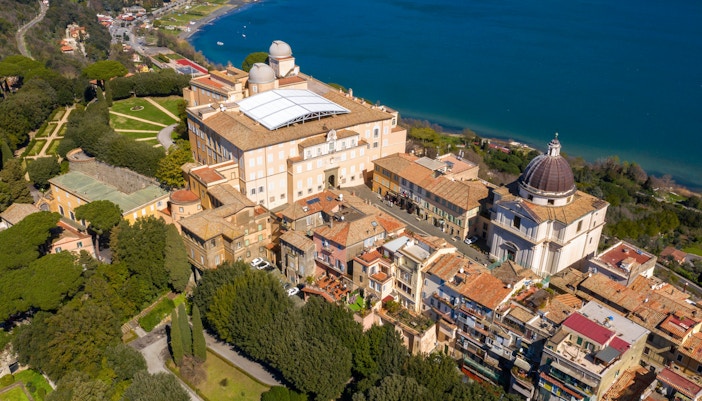
The Apostolic Palace at Castel Gandolfo took shape over several centuries, beginning in the 17th century under Pope Urban VIII of the Barberini family. Designed primarily by architect Carlo Maderno, with later contributions by Gian Lorenzo Bernini, the palace transformed the site of Emperor Domitian’s ancient villa into a refined papal residence.
Successive popes expanded and enhanced the complex, adding new wings, terraces, and the landscaped Barberini Gardens. Over time, it became the official summer retreat of the popes, an elegant blend of Baroque architecture, historic Roman foundations, and sweeping views of Lake Albano. Today, it stands as one of the finest examples of papal architectural heritage outside Vatican City.
Foire aux questions sur le Palais apostolique de Castel Gandolfo
Ce nom tire son origine de la famille Gandolfi, des seigneurs médiévaux qui ont construit un château à cet endroit avant que celui-ci ne devienne par la suite propriété du Saint-Siège. Au fil du temps, ce nom a évolué pour devenir « Castel Gandolfo », bien qu'on l'appelle parfois aussi Castel Gondolfo.
Non. Pendant des siècles, ce lieu est resté une résidence papale privée, inaccessible aux personnes extérieures. Ce n'est que ces dernières années, sous le pontificat du pape François, que le Palais apostolique et ses jardins ont été ouverts au public et transformés en musée et en lieu culturel.
Presque tous les papes, depuis Urbain VIII au XVIIe siècle jusqu'à Benoît XVI, ont utilisé ce palais comme résidence d'été. Le pape François a choisi de ne pas y résider, mais d’ouvrir ce lieu aux visiteurs dans le cadre de son initiative visant à rendre le patrimoine du Vatican plus accessible.
Oui. Le site se trouve sur les vestiges de la villa de l'empereur Domitien, un vaste complexe romain comprenant des théâtres, des cryptoportiques et des jardins. On peut encore aujourd'hui apercevoir des vestiges de ces ruines dans les jardins Barberini.
L'ensemble du domaine papal de Castel Gandolfo s'étend sur environ 55 hectares, comprenant le palais lui-même, les jardins Barberini et certaines parties de l'ancienne villa de Domitien.
La plupart des visiteurs consacrent environ 2 à 3 heures à la visite du Palais apostolique et des jardins Barberini. Si vous souhaitez découvrir cette ville historique, sa place et la vue sur le lac d'Albano, prévoyez une excursion d'une demi-journée. Une journée entière vous laisse le temps de faire une promenade tranquille au bord du lac ou de prendre un repas.
Architecture of the Castel Gandolfo Apostolic Palace
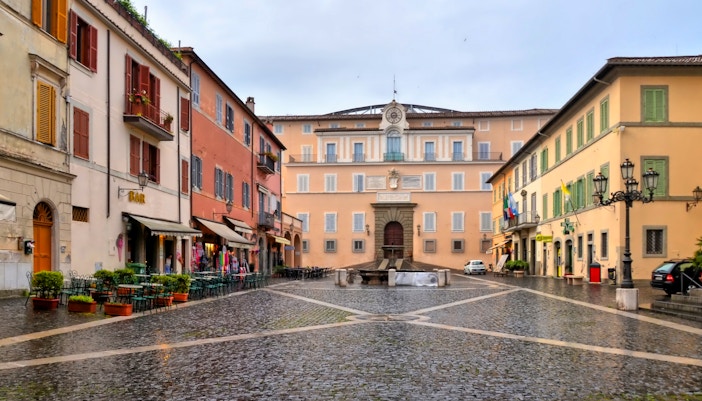
The Apostolic Palace reflects a graceful mix of Baroque elegance and classical balance, shaped largely by the vision of architects like Carlo Maderno and Gian Lorenzo Bernini. Its dignified façade, facing the town’s central square, was designed to project papal authority while maintaining a harmonious presence within the hillside village.
Inside, the palace reveals a sequence of richly appointed papal apartments, ornate reception rooms, and a private chapel adorned with refined decorative details, spaces once used for summer retreats, official audiences, and moments of quiet devotion. The architectural plan stretches outward toward the Alban Hills, where terraces, loggias, and garden pathways open onto breathtaking views of Lake Albano. This interplay between interior grandeur and dramatic natural scenery is a defining feature of the palace, underscoring its role as both a spiritual refuge and a symbol of papal prestige.
Frequently asked questions about Castel Gandolfo Apostolic Palace
The name comes from the Gandolfi family, medieval lords who built a castle on the site before it later became papal property. Over time, the name evolved into Castel Gandolfo, though it is sometimes also referred to as Castel Gondolfo.
No. For centuries, it remained a private papal retreat, inaccessible to outsiders. It was only in recent years, under Pope Francis, that the Apostolic Palace and gardens were opened and transformed into a museum and cultural destination.
Almost every pope from Urban VIII in the 17th century up until Benedict XVI used the palace as their summer residence. Pope Francis chose not to stay there, instead opening it to visitors as part of his initiative to make Vatican heritage more accessible.
Yes. The site sits on the remains of Emperor Domitian’s villa, a sprawling Roman complex with theatres, cryptoporticos, and gardens. Elements of these ruins are still visible in the Barberini Gardens today.
The entire papal estate at Castel Gandolfo covers about 55 hectares, including the palace itself, the Barberini Gardens, and parts of Domitian’s ancient villa.
Most visitors spend about 2–3 hours exploring the Apostolic Palace and Barberini Gardens. If you’d like to enjoy the historic town, its piazza, and the views over Lake Albano, plan for a half-day trip. A full day allows time for a leisurely lakeside walk or meal.