Castel Gandolfo diende sinds 1626 als zomerverblijf van de paus, totdat paus Franciscus het in 2016 openstelde voor het publiek.
In september 2015 werd de privétrein van de paus tussen Vaticaanstad en Castel Gandolfo opengesteld voor het publiek.
Tussen 1870 en 1929 bezocht geen enkele paus Castel Gandolfo vanwege politieke spanningen met de Italiaanse staat.
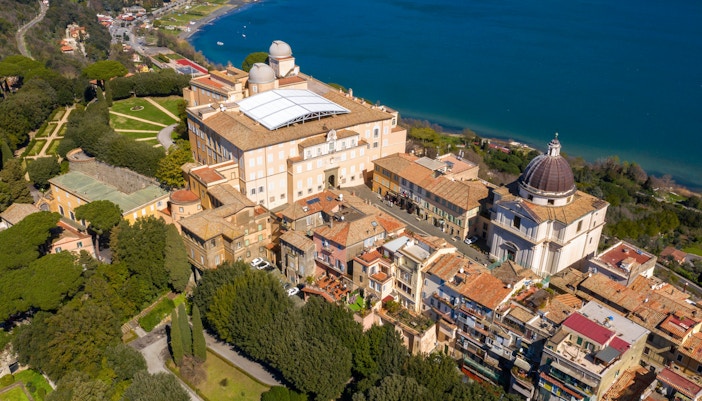
The Apostolic Palace at Castel Gandolfo offers a unique journey through papal history, art, and serene landscapes, making it a must-visit near Rome. Once the summer residence of the popes, the palace showcases elegant rooms, exquisite frescoes, and treasures of religious and artistic significance. Walking through its halls, you’ll encounter centuries of ecclesiastical history, refined architecture, and the rich cultural heritage of the Vatican.
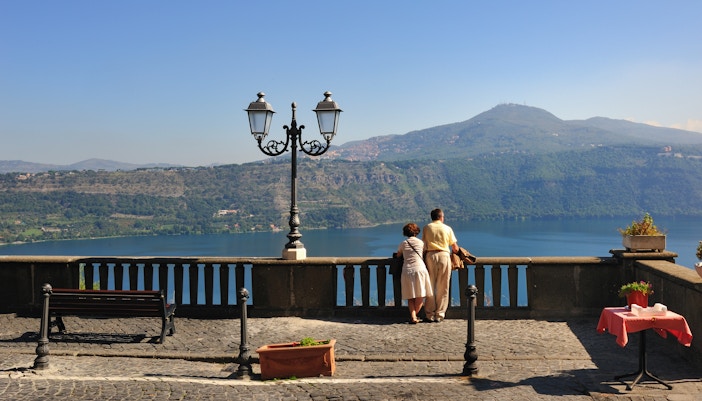
Step outside into the surrounding gardens, including the famed Vatican Gardens extension and the Secret Garden, where manicured terraces, fountains, and panoramic views of Lake Albano await. Wander along peaceful paths and discover secluded spots where history and nature blend seamlessly. Together, the palace and gardens provide an unforgettable experience, perfect for history buffs, art and architecture lovers, and anyone seeking the grandeur and tranquility of papal life in one immersive visit.
The Apostolic Palace at Castel Gandolfo took shape over several centuries, beginning in the 17th century under Pope Urban VIII of the Barberini family. Designed primarily by architect Carlo Maderno, with later contributions by Gian Lorenzo Bernini, the palace transformed the site of Emperor Domitian’s ancient villa into a refined papal residence.
Successive popes expanded and enhanced the complex, adding new wings, terraces, and the landscaped Barberini Gardens. Over time, it became the official summer retreat of the popes, an elegant blend of Baroque architecture, historic Roman foundations, and sweeping views of Lake Albano. Today, it stands as one of the finest examples of papal architectural heritage outside Vatican City.
De naam komt van de familie Gandolfi, middeleeuwse heren die hier een kasteel bouwden voordat het later pauselijk eigendom werd. Na verloop van tijd werd de naam Castel Gandolfo, hoewel het soms ook Castel Gondolfo wordt genoemd.
Nee. Eeuwenlang bleef het een privé pauselijk toevluchtsoord, ontoegankelijk voor buitenstaanders. Pas in de afgelopen jaren, onder paus Franciscus, werden het Apostolisch Paleis en de tuinen geopend en omgetoverd tot een museum en culturele bestemming.
Bijna elke paus, van Urbanus VIII in de 17e eeuw tot Benedictus XVI, gebruikte het paleis als zomerresidentie. Paus Franciscus koos ervoor er niet te blijven, maar het open te stellen voor bezoekers als onderdeel van zijn initiatief om het erfgoed van het Vaticaan toegankelijker te maken.
Ja. De site ligt op de overblijfselen van de villa van keizer Domitianus, een uitgestrekt Romeins complex met theaters, cryptoportieken en tuinen. Elementen van deze ruïnes zijn vandaag de dag nog steeds zichtbaar in de Barberini Tuinen.
Het hele pauselijke landgoed in Castel Gandolfo beslaat ongeveer 55 hectare, inclusief het paleis zelf, de Barberini-tuinen en delen van de oude villa van Domitianus.
De meeste bezoekers besteden ongeveer 2-3 uur aan het verkennen van het Apostolisch Paleis en de Barberini Tuinen. Als je wilt genieten van de historische stad, het piazza en het uitzicht over het Albano-meer, plan dan een trip van een halve dag. Een volle dag biedt tijd voor een ontspannen wandeling of maaltijd aan de oever van het meer.
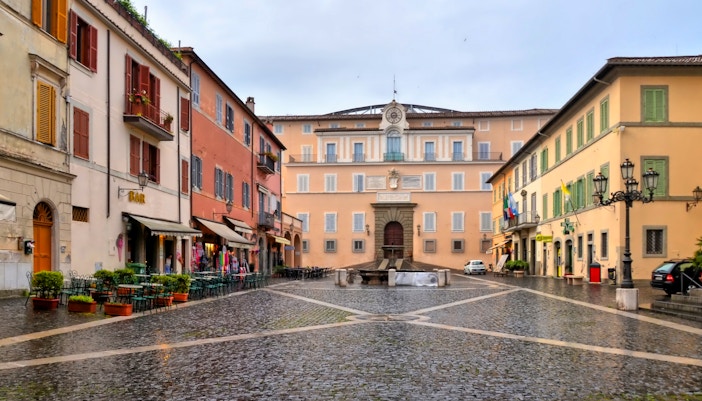
The Apostolic Palace reflects a graceful mix of Baroque elegance and classical balance, shaped largely by the vision of architects like Carlo Maderno and Gian Lorenzo Bernini. Its dignified façade, facing the town’s central square, was designed to project papal authority while maintaining a harmonious presence within the hillside village.
Inside, the palace reveals a sequence of richly appointed papal apartments, ornate reception rooms, and a private chapel adorned with refined decorative details, spaces once used for summer retreats, official audiences, and moments of quiet devotion. The architectural plan stretches outward toward the Alban Hills, where terraces, loggias, and garden pathways open onto breathtaking views of Lake Albano. This interplay between interior grandeur and dramatic natural scenery is a defining feature of the palace, underscoring its role as both a spiritual refuge and a symbol of papal prestige.
De naam komt van de familie Gandolfi, middeleeuwse heren die hier een kasteel bouwden voordat het later pauselijk eigendom werd. Na verloop van tijd werd de naam Castel Gandolfo, hoewel het soms ook Castel Gondolfo wordt genoemd.
Nee. Eeuwenlang bleef het een privé pauselijk toevluchtsoord, ontoegankelijk voor buitenstaanders. Pas in de afgelopen jaren, onder paus Franciscus, werden het Apostolisch Paleis en de tuinen geopend en omgetoverd tot een museum en culturele bestemming.
Bijna elke paus, van Urbanus VIII in de 17e eeuw tot Benedictus XVI, gebruikte het paleis als zomerresidentie. Paus Franciscus koos ervoor er niet te blijven, maar het open te stellen voor bezoekers als onderdeel van zijn initiatief om het erfgoed van het Vaticaan toegankelijker te maken.
Ja. De site ligt op de overblijfselen van de villa van keizer Domitianus, een uitgestrekt Romeins complex met theaters, cryptoportieken en tuinen. Elementen van deze ruïnes zijn vandaag de dag nog steeds zichtbaar in de Barberini Tuinen.
Het hele pauselijke landgoed in Castel Gandolfo beslaat ongeveer 55 hectare, inclusief het paleis zelf, de Barberini-tuinen en delen van de oude villa van Domitianus.
De meeste bezoekers besteden ongeveer 2-3 uur aan het verkennen van het Apostolisch Paleis en de Barberini Tuinen. Als je wilt genieten van de historische stad, het piazza en het uitzicht over het Albano-meer, plan dan een trip van een halve dag. Een volle dag biedt tijd voor een ontspannen wandeling of maaltijd aan de oever van het meer.

Tickets voor Castel Gandolfo en de Geheime Tuin
Volledige ervaring in Castel Gandolfo met Eco-Minibus rondleiding door de pauselijke tuinen
Castel Gandolfo: historische koepels Vaticaans Observatorium
Combo (Bespaar 35%): Castel Gandolfo Full Experience + Rondleiding Vaticaanse Musea & Sixtijnse Kapel