Wiesz o tym?
Castel Gandolfo służyło jako letnie schronienie papieża od 1626 roku, aż do momentu, gdy papież Franciszek otworzył je dla publiczności w 2016 roku.
We wrześniu 2015 r. prywatny pociąg papieża między Watykanem a Castel Gandolfo został otwarty dla publiczności.
W latach 1870-1929 żaden papież nie odwiedził Castel Gandolfo z powodu napięć politycznych z państwem włoskim.
Why is the Castel Gandolfo Apostolic Palace a must-visit attraction?
The Apostolic Palace at Castel Gandolfo offers a unique journey through papal history, art, and serene landscapes, making it a must-visit near Rome. Once the summer residence of the popes, the palace showcases elegant rooms, exquisite frescoes, and treasures of religious and artistic significance. Walking through its halls, you’ll encounter centuries of ecclesiastical history, refined architecture, and the rich cultural heritage of the Vatican.
Step outside into the surrounding gardens, including the famed Vatican Gardens extension and the Secret Garden, where manicured terraces, fountains, and panoramic views of Lake Albano await. Wander along peaceful paths and discover secluded spots where history and nature blend seamlessly. Together, the palace and gardens provide an unforgettable experience, perfect for history buffs, art and architecture lovers, and anyone seeking the grandeur and tranquility of papal life in one immersive visit.
Od papieży po zwykłych ludzi: dziedzictwo Pałacu Apostolskiego
- 1596: Po wiekach, w których posiadłość w Castel Gandolfo należała do szlachty, przechodzi ona z rąk rodziny Savelli w ręce Stolicy Apostolskiej.
- 1624: Papież Urban VIII zleca budowę Pałacu Apostolskiego, zaprojektowanego przez architekta Carlo Maderno, jako letniej rezydencji papieskiej.
- XVII–XVIII wiek: Kolejni papieże rozbudowywali ten kompleks i zagospodarowywali ogrody, włączając do nich ruiny starożytnej willi cesarza Domicjana.
- 1929: Na mocy traktatu laterańskiego Castel Gandolfo oficjalnie staje się terytorium eksterytorialnym Watykanu.
- 1944: Podczas II wojny światowej papież Pius XII udzielił schronienia tysiącom uchodźców w pałacu, zamieniając go w bezpieczne miejsce.
- 2014: Papież Franciszek po raz pierwszy w historii udostępnia zwiedzającym część pałacu i Ogrodów Barberini.
- 2016: Pałac Apostolski przestaje służyć jako rezydencja papieska i zostaje przekształcony w muzeum, w którym można obejrzeć apartamenty papieskie, eksponaty i portrety.
Who built the Castel Gandolfo Apostolic Palace?
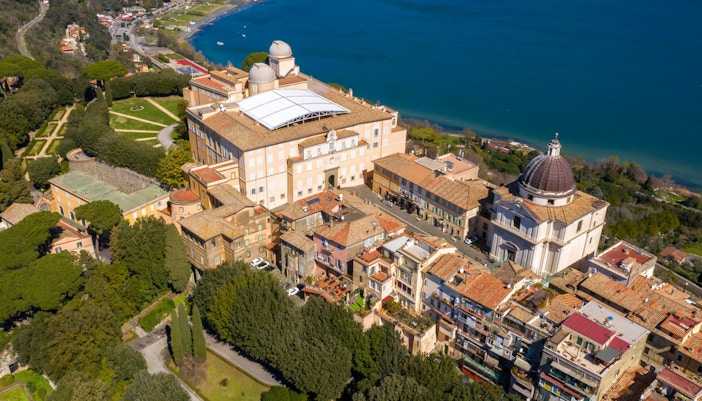
The Apostolic Palace at Castel Gandolfo took shape over several centuries, beginning in the 17th century under Pope Urban VIII of the Barberini family. Designed primarily by architect Carlo Maderno, with later contributions by Gian Lorenzo Bernini, the palace transformed the site of Emperor Domitian’s ancient villa into a refined papal residence.
Successive popes expanded and enhanced the complex, adding new wings, terraces, and the landscaped Barberini Gardens. Over time, it became the official summer retreat of the popes, an elegant blend of Baroque architecture, historic Roman foundations, and sweeping views of Lake Albano. Today, it stands as one of the finest examples of papal architectural heritage outside Vatican City.
Najczęściej zadawane pytania dotyczące Pałacu Apostolskiego w Castel Gandolfo
Nazwa pochodzi od rodziny Gandolfi – średniowiecznych panów, którzy zbudowali tu zamek, zanim teren ten stał się później własnością papieską. Z biegiem czasu nazwa ta przekształciła się w Castel Gandolfo, choć czasami mówi się o niej też jako Castel Gondolfo.
Nie. Przez wieki pozostawało prywatną rezydencją papieską, niedostępną dla osób z zewnątrz. Dopiero w ostatnich latach, za pontyfikatu papieża Franciszka, Pałac Apostolski i ogrody zostały udostępnione i przekształcone w muzeum oraz miejsce o znaczeniu kulturalnym.
Prawie każdy papież, począwszy od Urbana VIII w XVII wieku aż po Benedykta XVI, korzystał z tego pałacu jako swojej letniej rezydencji. Papież Franciszek postanowił nie zatrzymywać się tam, tylko udostępnił to miejsce zwiedzającym w ramach swojej inicjatywy mającej na celu zwiększenie dostępności dziedzictwa Watykanu.
Tak. Miejsce to znajduje się na ruinach willi cesarza Domicjana – rozległego rzymskiego kompleksu z teatrami, kryptoportykami i ogrodami. Elementy tych ruin można do dziś zobaczyć w Ogrodach Barberini.
Cała posiadłość papieska w Castel Gandolfo zajmuje około 55 hektarów, w tym sam pałac, ogrody Barberini oraz fragmenty starożytnej willi Domicjana.
Większość zwiedzających spędza około 2–3 godzin na zwiedzaniu Pałacu Apostolskiego i Ogrodów Barberini. Jeśli chcesz zwiedzić to historyczne miasteczko, jego plac i podziwiać widoki na jezioro Albano, zaplanuj sobie półdniową wycieczkę. Cały dzień to wystarczająco dużo czasu na spokojny spacer nad jeziorem albo na posiłek.
Architecture of the Castel Gandolfo Apostolic Palace
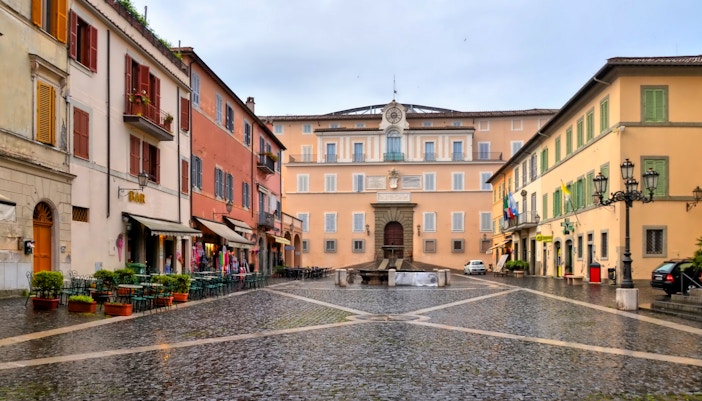
The Apostolic Palace reflects a graceful mix of Baroque elegance and classical balance, shaped largely by the vision of architects like Carlo Maderno and Gian Lorenzo Bernini. Its dignified façade, facing the town’s central square, was designed to project papal authority while maintaining a harmonious presence within the hillside village.
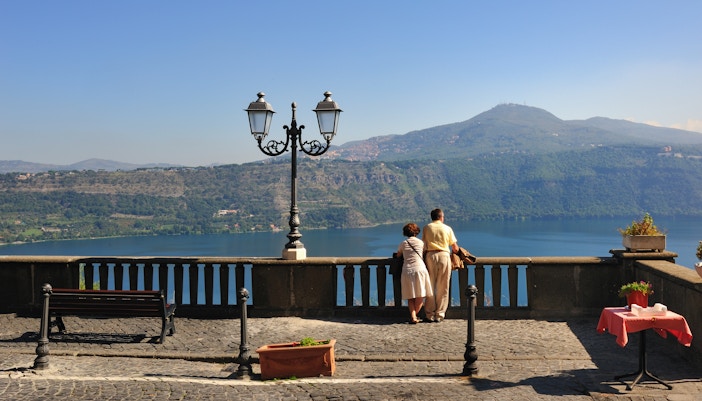
Inside, the palace reveals a sequence of richly appointed papal apartments, ornate reception rooms, and a private chapel adorned with refined decorative details, spaces once used for summer retreats, official audiences, and moments of quiet devotion. The architectural plan stretches outward toward the Alban Hills, where terraces, loggias, and garden pathways open onto breathtaking views of Lake Albano. This interplay between interior grandeur and dramatic natural scenery is a defining feature of the palace, underscoring its role as both a spiritual refuge and a symbol of papal prestige.
Frequently asked questions about Castel Gandolfo Apostolic Palace
The name comes from the Gandolfi family, medieval lords who built a castle on the site before it later became papal property. Over time, the name evolved into Castel Gandolfo, though it is sometimes also referred to as Castel Gondolfo.
No. For centuries, it remained a private papal retreat, inaccessible to outsiders. It was only in recent years, under Pope Francis, that the Apostolic Palace and gardens were opened and transformed into a museum and cultural destination.
Almost every pope from Urban VIII in the 17th century up until Benedict XVI used the palace as their summer residence. Pope Francis chose not to stay there, instead opening it to visitors as part of his initiative to make Vatican heritage more accessible.
Yes. The site sits on the remains of Emperor Domitian’s villa, a sprawling Roman complex with theatres, cryptoporticos, and gardens. Elements of these ruins are still visible in the Barberini Gardens today.
The entire papal estate at Castel Gandolfo covers about 55 hectares, including the palace itself, the Barberini Gardens, and parts of Domitian’s ancient villa.
Most visitors spend about 2–3 hours exploring the Apostolic Palace and Barberini Gardens. If you’d like to enjoy the historic town, its piazza, and the views over Lake Albano, plan for a half-day trip. A full day allows time for a leisurely lakeside walk or meal.