Știați că?
Castel Gandolfo a servit drept retragere de vară a Papei din 1626, până când Papa Francisc l-a deschis publicului în 2016.
În septembrie 2015, trenul privat al Papei între Orașe și Castel Gandolfo a fost deschis publicului.
Între 1870 și 1929, niciun papă nu a vizitat Castel Gandolfo din cauza tensiunilor politice cu statul italian.
Why is the Castel Gandolfo Apostolic Palace a must-visit attraction?
The Apostolic Palace at Castel Gandolfo offers a unique journey through papal history, art, and serene landscapes, making it a must-visit near Rome. Once the summer residence of the popes, the palace showcases elegant rooms, exquisite frescoes, and treasures of religious and artistic significance. Walking through its halls, you’ll encounter centuries of ecclesiastical history, refined architecture, and the rich cultural heritage of the Vatican.
Step outside into the surrounding gardens, including the famed Vatican Gardens extension and the Secret Garden, where manicured terraces, fountains, and panoramic views of Lake Albano await. Wander along peaceful paths and discover secluded spots where history and nature blend seamlessly. Together, the palace and gardens provide an unforgettable experience, perfect for history buffs, art and architecture lovers, and anyone seeking the grandeur and tranquility of papal life in one immersive visit.
De la papi la oameni: moștenirea Palatului Apostolic
- 1596: După secole în care a aparținut unor familii nobile, proprietatea de la Castel Gandolfo trece din posesia familiei Savelli în cea a Sfântului Scaun.
- 1624: Papa Urban al VIII-lea dă însărcinarea construirii Palatului Apostolic, proiectat de arhitectul Carlo Maderno, ca reședință papală de vară.
- secolele XVII–XVIII: Papi succesivi au extins complexul și au amenajat grădinile, integrând ruinele vechii vile a împăratului Domițian.
- 1929: Odată cu Tratatul de la Lateran, Castel Gandolfo devine oficial proprietate extrateritorială a Vaticanului.
- 1944: În timpul celui de-al Doilea Război Mondial, Papa Pius al XII-lea a adăpostit mii de refugiați în interiorul palatului, transformându-l într-un loc sigur.
- 2014: Papa Francisc deschide publicului, pentru prima dată în istorie, anumite părți ale palatului și ale Grădinilor Barberini.
- 2016: Palatul Apostolic încetează să mai fie folosit ca reședință papală și este transformat într-un muzeu, care expune apartamentele papale, obiecte de artă și portrete.
Who built the Castel Gandolfo Apostolic Palace?
The Apostolic Palace at Castel Gandolfo took shape over several centuries, beginning in the 17th century under Pope Urban VIII of the Barberini family. Designed primarily by architect Carlo Maderno, with later contributions by Gian Lorenzo Bernini, the palace transformed the site of Emperor Domitian’s ancient villa into a refined papal residence.
Successive popes expanded and enhanced the complex, adding new wings, terraces, and the landscaped Barberini Gardens. Over time, it became the official summer retreat of the popes, an elegant blend of Baroque architecture, historic Roman foundations, and sweeping views of Lake Albano. Today, it stands as one of the finest examples of papal architectural heritage outside Vatican City.
Întrebări frecvente despre Palatul Apostolic din Castel Gandolfo
Numele provine de la familia Gandolfi, niște seniori medievali care au ridicat un castel pe acel loc, înainte ca acesta să devină ulterior proprietate papală. De-a lungul timpului, denumirea a evoluat în Castel Gandolfo, deși uneori este menționată și sub forma Castel Gondolfo.
Nu. Timp de secole, a rămas un refugiu papal privat, inaccesibil persoanelor din afară. Abia în ultimii ani, sub pontificatul Papei Francisc, Palatul Apostolic și grădinile sale au fost deschise publicului și transformate într-un muzeu și o destinație culturală.
Aproape toți papii, începând cu Urban al VIII-lea în secolul al XVII-lea și până la Benedict al XVI-lea, au folosit palatul ca reședință de vară. Papa Francisc a decis să nu rămână acolo, ci să deschidă clădirea pentru vizitatori, ca parte a inițiativei sale de a face patrimoniul Vaticanului mai accesibil.
Da. Situl se află pe ruinele vilei împăratului Domițian, un complex roman întins, care cuprindea teatre, criptoporticuri și grădini. Unele elemente ale acestor ruine sunt vizibile și astăzi în Grădinile Barberini.
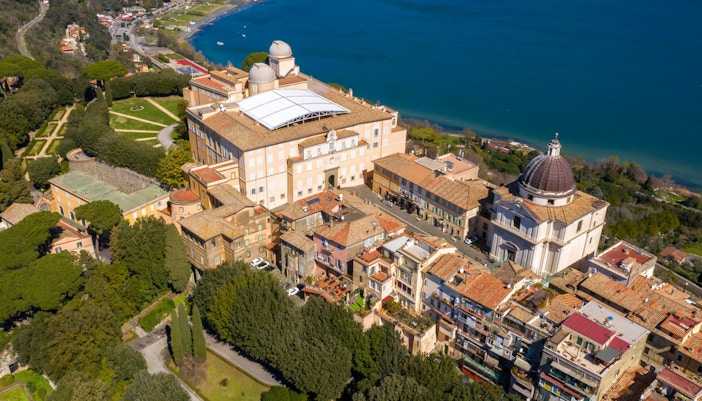
Întreaga proprietate papală de la Castel Gandolfo se întinde pe o suprafață de aproximativ 55 de hectare, incluzând palatul propriu-zis, Grădinile Barberini și părți din vila antică a lui Domițian.
Majoritatea vizitatorilor petrec aproximativ 2–3 ore explorând Palatul Apostolic și Grădinile Barberini. Dacă doriți să vă bucurați de orașul istoric, de piața sa și de priveliștile asupra lacului Albano, planificați o excursie de o jumătate de zi. O zi întreagă vă oferă timp suficient pentru o plimbare liniștită pe malul lacului sau pentru o masă.
Architecture of the Castel Gandolfo Apostolic Palace
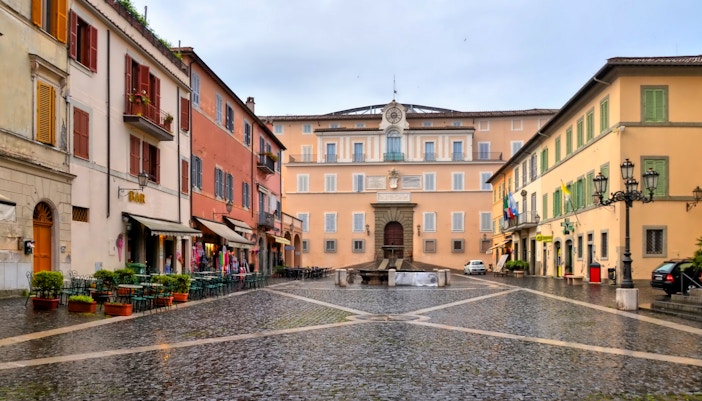
The Apostolic Palace reflects a graceful mix of Baroque elegance and classical balance, shaped largely by the vision of architects like Carlo Maderno and Gian Lorenzo Bernini. Its dignified façade, facing the town’s central square, was designed to project papal authority while maintaining a harmonious presence within the hillside village.
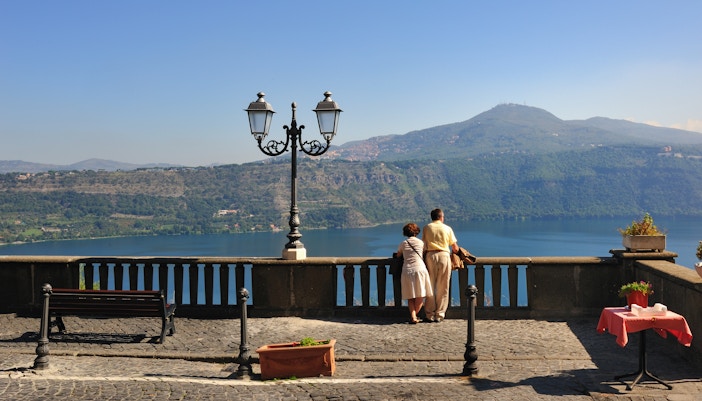
Inside, the palace reveals a sequence of richly appointed papal apartments, ornate reception rooms, and a private chapel adorned with refined decorative details, spaces once used for summer retreats, official audiences, and moments of quiet devotion. The architectural plan stretches outward toward the Alban Hills, where terraces, loggias, and garden pathways open onto breathtaking views of Lake Albano. This interplay between interior grandeur and dramatic natural scenery is a defining feature of the palace, underscoring its role as both a spiritual refuge and a symbol of papal prestige.
Frequently asked questions about Castel Gandolfo Apostolic Palace
The name comes from the Gandolfi family, medieval lords who built a castle on the site before it later became papal property. Over time, the name evolved into Castel Gandolfo, though it is sometimes also referred to as Castel Gondolfo.
No. For centuries, it remained a private papal retreat, inaccessible to outsiders. It was only in recent years, under Pope Francis, that the Apostolic Palace and gardens were opened and transformed into a museum and cultural destination.
Almost every pope from Urban VIII in the 17th century up until Benedict XVI used the palace as their summer residence. Pope Francis chose not to stay there, instead opening it to visitors as part of his initiative to make Vatican heritage more accessible.
Yes. The site sits on the remains of Emperor Domitian’s villa, a sprawling Roman complex with theatres, cryptoporticos, and gardens. Elements of these ruins are still visible in the Barberini Gardens today.
The entire papal estate at Castel Gandolfo covers about 55 hectares, including the palace itself, the Barberini Gardens, and parts of Domitian’s ancient villa.
Most visitors spend about 2–3 hours exploring the Apostolic Palace and Barberini Gardens. If you’d like to enjoy the historic town, its piazza, and the views over Lake Albano, plan for a half-day trip. A full day allows time for a leisurely lakeside walk or meal.