Why is the Castel Gandolfo Apostolic Palace a must-visit attraction?
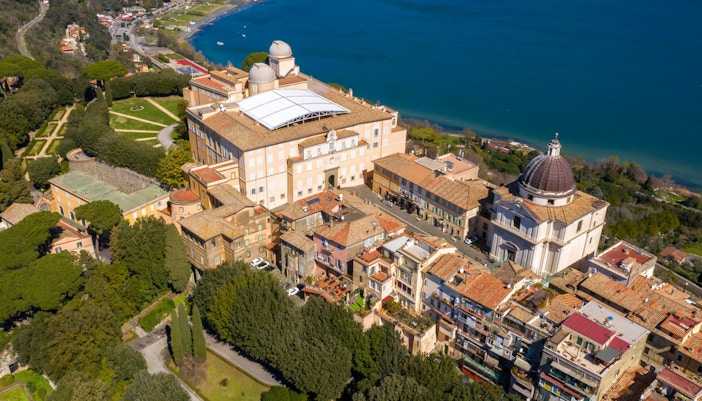
The Apostolic Palace at Castel Gandolfo offers a unique journey through papal history, art, and serene landscapes, making it a must-visit near Rome. Once the summer residence of the popes, the palace showcases elegant rooms, exquisite frescoes, and treasures of religious and artistic significance. Walking through its halls, you’ll encounter centuries of ecclesiastical history, refined architecture, and the rich cultural heritage of the Vatican.
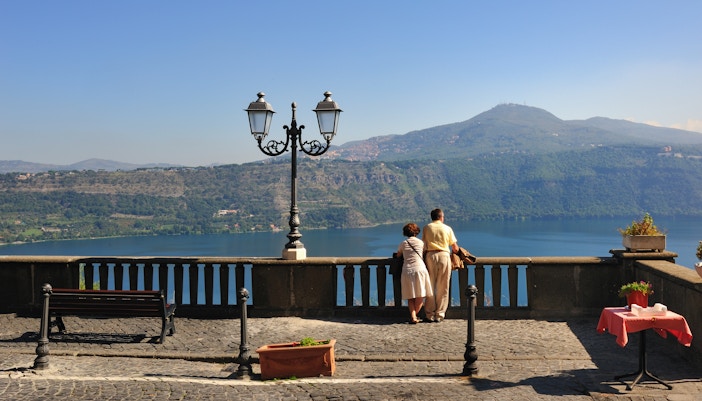
Step outside into the surrounding gardens, including the famed Vatican Gardens extension and the Secret Garden, where manicured terraces, fountains, and panoramic views of Lake Albano await. Wander along peaceful paths and discover secluded spots where history and nature blend seamlessly. Together, the palace and gardens provide an unforgettable experience, perfect for history buffs, art and architecture lovers, and anyone seeking the grandeur and tranquility of papal life in one immersive visit.
От пап до простых людей: наследие Апостольского дворца
- 1596: После нескольких столетий, в течение которых поместье Кастель-Гандольфо принадлежало дворянским родам, оно перешло от семьи Савелли к Святому Престолу.
- 1624: Папа Урбан VIII поручил построить Апостольский дворец по проекту архитектора Карло Мадерно в качестве летней резиденции папы.
- XVII–XVIII века: Следующие за ним папы расширяли комплекс и благоустраивали сады, включив в них руины древней виллы императора Домициана.
- 1929: Согласно Латеранскому договору Кастель-Гандольфо официально становится экстерриториальной собственностью Ватикана.
- 1944: Во время Второй мировой войны папа Пий XII укрыл в дворце тысячи беженцев, превратив его в убежище.
- 2014: Папа Франциск впервые в истории открывает для посетителей отдельные части дворца и садов Барберини.
- 2016: Апостольский дворец перестает служить резиденцией папы и превращается в музей, где можно увидеть папские апартаменты, экспонаты и портреты.
Who built the Castel Gandolfo Apostolic Palace?
The Apostolic Palace at Castel Gandolfo took shape over several centuries, beginning in the 17th century under Pope Urban VIII of the Barberini family. Designed primarily by architect Carlo Maderno, with later contributions by Gian Lorenzo Bernini, the palace transformed the site of Emperor Domitian’s ancient villa into a refined papal residence.
Successive popes expanded and enhanced the complex, adding new wings, terraces, and the landscaped Barberini Gardens. Over time, it became the official summer retreat of the popes, an elegant blend of Baroque architecture, historic Roman foundations, and sweeping views of Lake Albano. Today, it stands as one of the finest examples of papal architectural heritage outside Vatican City.
Часто задаваемые вопросы об Апостольском дворце в Кастель-Гандольфо
Название происходит от семьи Гандольфи — средневековых феодалов, которые построили здесь замок, а позже эта земля перешла в собственность папы. Со временем название превратилось в «Кастель-Гандольфо», хотя иногда его ещё называют Кастель-Гондольфо.
Нет. На протяжении веков это место оставалось частной папской усадьбой, недоступной для посторонних. Только в последние годы, при папе Франциске, Апостольский дворец и сады открыли для посетителей и превратили в музей и культурную достопримечательность.
Практически каждый папа, начиная с Урбана VIII в XVII веке и вплоть до Бенедикта XVI, использовал этот дворец в качестве своей летней резиденции. Папа Франциск решил не оставаться там, а открыл это место для посетителей в рамках своей инициативы по расширению доступа к наследию Ватикана.
Да. Этот участок расположен на месте, где когда-то стояла вилла императора Домициана — обширный римский комплекс с театрами, криптопортиками и садами. Элементы этих руин до сих пор можно увидеть в садах Барберини.
Вся папская усадьба в Кастель-Гандольфо занимает площадь около 55 гектаров, включая сам дворец, сады Барберини и части древней виллы Домициана.
Большинство посетителей тратят примерно 2–3 часа на осмотр Апостольского дворца и садов Барберини. Если хочешь полюбоваться этим старинным городком, его площадью и видами на озеро Альбано, запланируй поездку на полдня. Целый день — это как раз то, что нужно, чтобы неспешно прогуляться по берегу озера или пообедать.
Architecture of the Castel Gandolfo Apostolic Palace
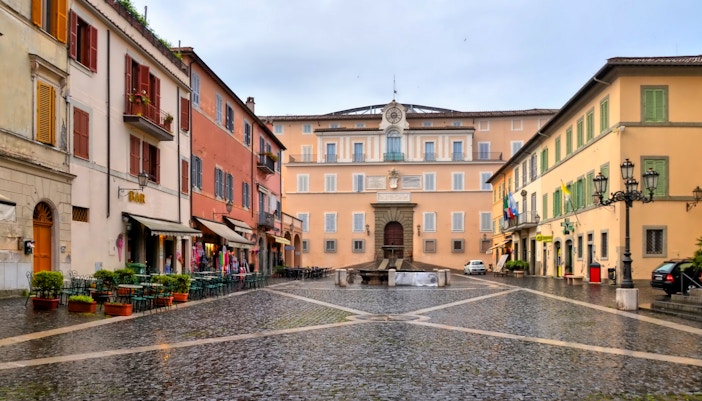
The Apostolic Palace reflects a graceful mix of Baroque elegance and classical balance, shaped largely by the vision of architects like Carlo Maderno and Gian Lorenzo Bernini. Its dignified façade, facing the town’s central square, was designed to project papal authority while maintaining a harmonious presence within the hillside village.
Inside, the palace reveals a sequence of richly appointed papal apartments, ornate reception rooms, and a private chapel adorned with refined decorative details, spaces once used for summer retreats, official audiences, and moments of quiet devotion. The architectural plan stretches outward toward the Alban Hills, where terraces, loggias, and garden pathways open onto breathtaking views of Lake Albano. This interplay between interior grandeur and dramatic natural scenery is a defining feature of the palace, underscoring its role as both a spiritual refuge and a symbol of papal prestige.
Frequently asked questions about Castel Gandolfo Apostolic Palace
The name comes from the Gandolfi family, medieval lords who built a castle on the site before it later became papal property. Over time, the name evolved into Castel Gandolfo, though it is sometimes also referred to as Castel Gondolfo.
No. For centuries, it remained a private papal retreat, inaccessible to outsiders. It was only in recent years, under Pope Francis, that the Apostolic Palace and gardens were opened and transformed into a museum and cultural destination.
Almost every pope from Urban VIII in the 17th century up until Benedict XVI used the palace as their summer residence. Pope Francis chose not to stay there, instead opening it to visitors as part of his initiative to make Vatican heritage more accessible.
Yes. The site sits on the remains of Emperor Domitian’s villa, a sprawling Roman complex with theatres, cryptoporticos, and gardens. Elements of these ruins are still visible in the Barberini Gardens today.
The entire papal estate at Castel Gandolfo covers about 55 hectares, including the palace itself, the Barberini Gardens, and parts of Domitian’s ancient villa.
Most visitors spend about 2–3 hours exploring the Apostolic Palace and Barberini Gardens. If you’d like to enjoy the historic town, its piazza, and the views over Lake Albano, plan for a half-day trip. A full day allows time for a leisurely lakeside walk or meal.