Why is the Castel Gandolfo Apostolic Palace a must-visit attraction?
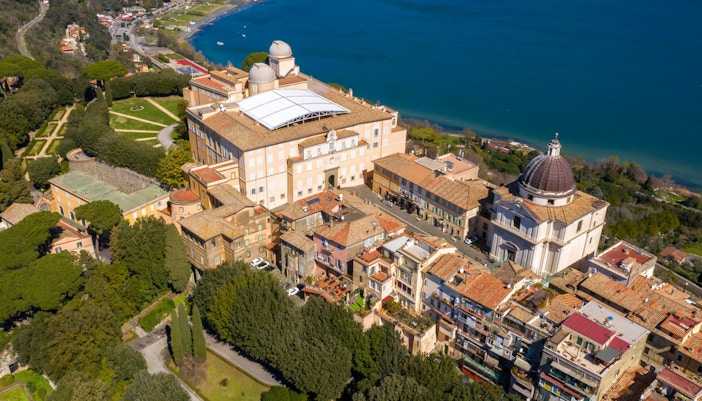
The Apostolic Palace at Castel Gandolfo offers a unique journey through papal history, art, and serene landscapes, making it a must-visit near Rome. Once the summer residence of the popes, the palace showcases elegant rooms, exquisite frescoes, and treasures of religious and artistic significance. Walking through its halls, you’ll encounter centuries of ecclesiastical history, refined architecture, and the rich cultural heritage of the Vatican.
Step outside into the surrounding gardens, including the famed Vatican Gardens extension and the Secret Garden, where manicured terraces, fountains, and panoramic views of Lake Albano await. Wander along peaceful paths and discover secluded spots where history and nature blend seamlessly. Together, the palace and gardens provide an unforgettable experience, perfect for history buffs, art and architecture lovers, and anyone seeking the grandeur and tranquility of papal life in one immersive visit.
Papalardan halka: Apostolik Sarayı’nın mirası
- 1596: Castel Gandolfo’daki mülk, yüzyıllar boyunca soyluların elinde kaldıktan sonra Savelli ailesinden Kutsal Makam’a geçti.
- 1624: Papa VIII. Urban, mimar Carlo Maderno tarafından tasarlanan Apostolik Sarayı’nı papalık yazlık konutu olarak yaptırır.
- 17.–18. yüzyıllar: Birbirini izleyen papalar, İmparator Domitianus’un antik villasının kalıntılarını da projeye dahil ederek bu kompleksi genişletip bahçeleri düzenlediler.
- 1929: Lateran Antlaşması ile Castel Gandolfo, resmi olarak Vatikan’ın egemenlik alanı dışındaki mülkü haline gelir.
- 1944: II. Dünya Savaşı sırasında, Papa XII. Pius sarayın içinde binlerce mülteciye sığınak sağlar ve burayı güvenli bir yer haline getirir.
- 2014: Papa Francis, sarayın bazı bölümlerini ve Barberini Bahçeleri’ni tarihte ilk kez halka açıyor.
- 2016: Apostolik Sarayı, papalık konutu olarak kullanılmayı bırakır ve papalık daireleri, eserler ve portrelerin sergilendiği bir müzeye dönüştürülür.
Who built the Castel Gandolfo Apostolic Palace?
The Apostolic Palace at Castel Gandolfo took shape over several centuries, beginning in the 17th century under Pope Urban VIII of the Barberini family. Designed primarily by architect Carlo Maderno, with later contributions by Gian Lorenzo Bernini, the palace transformed the site of Emperor Domitian’s ancient villa into a refined papal residence.
Successive popes expanded and enhanced the complex, adding new wings, terraces, and the landscaped Barberini Gardens. Over time, it became the official summer retreat of the popes, an elegant blend of Baroque architecture, historic Roman foundations, and sweeping views of Lake Albano. Today, it stands as one of the finest examples of papal architectural heritage outside Vatican City.
Castel Gandolfo Apostolik Sarayı hakkında sıkça sorulan sorular
Bu isim, daha sonra papalık mülkiyetine geçmeden önce bu araziye bir kale inşa eden Orta Çağ beyleri olan Gandolfi ailesinden gelmektedir. Zamanla bu isim Castel Gandolfo olarak değişti; ancak bazen Castel Gondolfo olarak da anılmaktadır.
Hayır. Yüzyıllar boyunca, dışarıdan kimsenin giremediği özel bir papalık inziva yeri olarak kaldı. Apostolik Sarayı ve bahçeleri, ancak son yıllarda Papa Francis’in döneminde halka açılmış ve bir müze ile kültürel cazibe merkezine dönüştürülmüştür.
- yüzyıldaki VIII. Urban’dan XVI. Benedict’e kadar neredeyse tüm papalar bu sarayı yazlık konut olarak kullandılar. Papa Francis, orada kalmamayı tercih etti; bunun yerine, Vatikan mirasını daha erişilebilir hale getirme girişiminin bir parçası olarak burayı ziyaretçilere açtı.
Evet. Bu alan, tiyatrolar, kriptoportikolar ve bahçelerden oluşan geniş bir Roma kompleksi olan İmparator Domitianus’un villasının kalıntıları üzerinde yer almaktadır. Bu kalıntıların bazı kısımları bugün hâlâ Barberini Bahçeleri’nde görülebilmektedir.
Castel Gandolfo’daki papalık arazisinin tamamı, sarayın kendisi, Barberini Bahçeleri ve Domitianus’un antik villasının bazı kısımları da dahil olmak üzere yaklaşık 55 hektarlık bir alanı kaplamaktadır.
Ziyaretçilerin çoğu, Apostolik Sarayı ve Barberini Bahçeleri’ni gezmek için yaklaşık 2–3 saat ayırır. Bu tarihi kasabayı, meydanını ve Albano Gölü’nün manzarasını keşfetmek istiyorsanız, yarım günlük bir gezi planlayın. Tam bir gün, göl kenarında keyifli bir yürüyüşe çıkmak ya da yemek yemek için yeterli zaman sağlar.
Architecture of the Castel Gandolfo Apostolic Palace
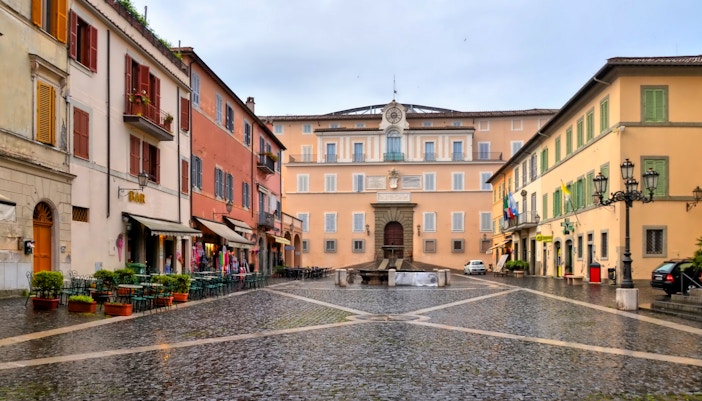
The Apostolic Palace reflects a graceful mix of Baroque elegance and classical balance, shaped largely by the vision of architects like Carlo Maderno and Gian Lorenzo Bernini. Its dignified façade, facing the town’s central square, was designed to project papal authority while maintaining a harmonious presence within the hillside village.
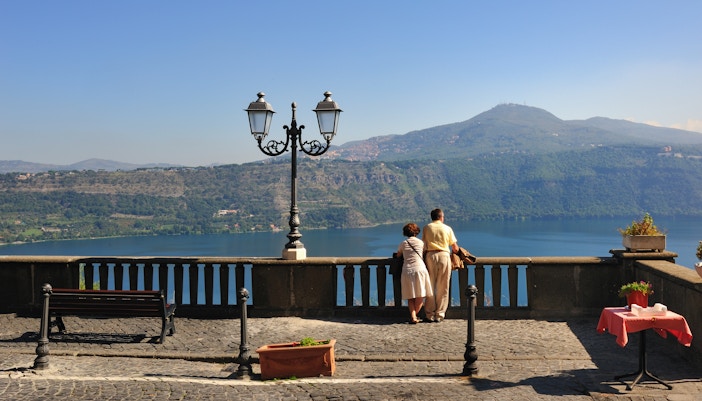
Inside, the palace reveals a sequence of richly appointed papal apartments, ornate reception rooms, and a private chapel adorned with refined decorative details, spaces once used for summer retreats, official audiences, and moments of quiet devotion. The architectural plan stretches outward toward the Alban Hills, where terraces, loggias, and garden pathways open onto breathtaking views of Lake Albano. This interplay between interior grandeur and dramatic natural scenery is a defining feature of the palace, underscoring its role as both a spiritual refuge and a symbol of papal prestige.
Frequently asked questions about Castel Gandolfo Apostolic Palace
The name comes from the Gandolfi family, medieval lords who built a castle on the site before it later became papal property. Over time, the name evolved into Castel Gandolfo, though it is sometimes also referred to as Castel Gondolfo.
No. For centuries, it remained a private papal retreat, inaccessible to outsiders. It was only in recent years, under Pope Francis, that the Apostolic Palace and gardens were opened and transformed into a museum and cultural destination.
Almost every pope from Urban VIII in the 17th century up until Benedict XVI used the palace as their summer residence. Pope Francis chose not to stay there, instead opening it to visitors as part of his initiative to make Vatican heritage more accessible.
Yes. The site sits on the remains of Emperor Domitian’s villa, a sprawling Roman complex with theatres, cryptoporticos, and gardens. Elements of these ruins are still visible in the Barberini Gardens today.
The entire papal estate at Castel Gandolfo covers about 55 hectares, including the palace itself, the Barberini Gardens, and parts of Domitian’s ancient villa.
Most visitors spend about 2–3 hours exploring the Apostolic Palace and Barberini Gardens. If you’d like to enjoy the historic town, its piazza, and the views over Lake Albano, plan for a half-day trip. A full day allows time for a leisurely lakeside walk or meal.