Informazioni rapide

Pianifica la tua visita

Lo sapevi?

Castel Gandolfo è stato il ritiro estivo del Papa dal 1626, fino a quando Papa Francesco lo ha aperto al pubblico nel 2016.

Nel settembre 2015, il treno privato del Papa tra la Città del Vaticano e Castel Gandolfo è stato aperto al pubblico.

Tra il 1870 e il 1929, nessun papa visitò Castel Gandolfo a causa delle tensioni politiche con lo Stato italiano.

Why is the Castel Gandolfo Apostolic Palace a must-visit attraction?

The Apostolic Palace at Castel Gandolfo offers a unique journey through papal history, art, and serene landscapes, making it a must-visit near Rome. Once the summer residence of the popes, the palace showcases elegant rooms, exquisite frescoes, and treasures of religious and artistic significance. Walking through its halls, you’ll encounter centuries of ecclesiastical history, refined architecture, and the rich cultural heritage of the Vatican.

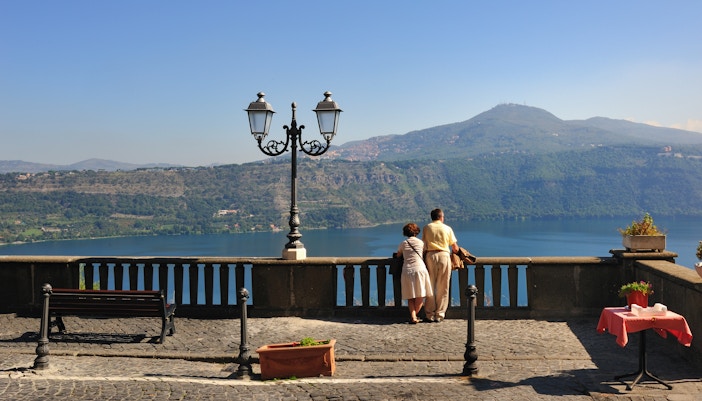
Step outside into the surrounding gardens, including the famed Vatican Gardens extension and the Secret Garden, where manicured terraces, fountains, and panoramic views of Lake Albano await. Wander along peaceful paths and discover secluded spots where history and nature blend seamlessly. Together, the palace and gardens provide an unforgettable experience, perfect for history buffs, art and architecture lovers, and anyone seeking the grandeur and tranquility of papal life in one immersive visit.

Dai papi alle persone: l'eredità del Palazzo Apostolico

  • 1596: La proprietà di Castel Gandolfo passa dalla famiglia Savelli alla Santa Sede dopo secoli di proprietà nobiliare.
  • 1624: Papa Urbano VIII commissiona il Palazzo Apostolico, progettato dall'architetto Carlo Maderno, come residenza estiva papale.
  • xVII-XVIII secolo: I papi successivi ampliarono il complesso e svilupparono i giardini, incorporando le rovine dell'antica villa dell'imperatore Domiziano.
  • 1929: Con il Trattato del Laterano, Castel Gandolfo diventa ufficialmente proprietà extraterritoriale del Vaticano.
  • 1944: Durante la Seconda Guerra Mondiale, Papa Pio XII accoglie migliaia di rifugiati all'interno del palazzo, trasformandolo in un luogo di sicurezza.
  • 2014: Papa Francesco apre al pubblico parti del palazzo e dei Giardini Barberini per la prima volta nella storia.
  • 2016: Il Palazzo Apostolico cessa di essere utilizzato come residenza papale e viene trasformato in un museo che espone appartamenti, manufatti e ritratti papali.

Who built the Castel Gandolfo Apostolic Palace?

The Apostolic Palace at Castel Gandolfo took shape over several centuries, beginning in the 17th century under Pope Urban VIII of the Barberini family. Designed primarily by architect Carlo Maderno, with later contributions by Gian Lorenzo Bernini, the palace transformed the site of Emperor Domitian’s ancient villa into a refined papal residence.

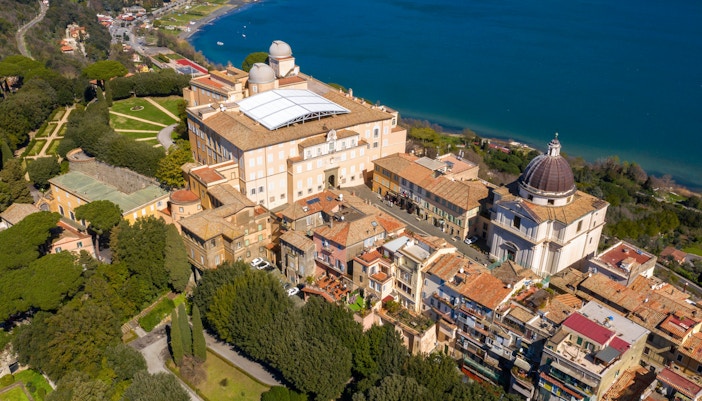
Successive popes expanded and enhanced the complex, adding new wings, terraces, and the landscaped Barberini Gardens. Over time, it became the official summer retreat of the popes, an elegant blend of Baroque architecture, historic Roman foundations, and sweeping views of Lake Albano. Today, it stands as one of the finest examples of papal architectural heritage outside Vatican City.

Frequently asked questions about Castel Gandolfo Apostolic Palace

The name comes from the Gandolfi family, medieval lords who built a castle on the site before it later became papal property. Over time, the name evolved into Castel Gandolfo, though it is sometimes also referred to as Castel Gondolfo.

Architecture of the Castel Gandolfo Apostolic Palace

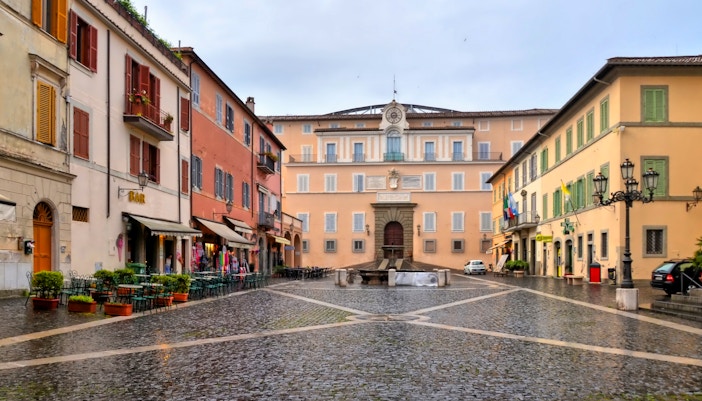
The Apostolic Palace reflects a graceful mix of Baroque elegance and classical balance, shaped largely by the vision of architects like Carlo Maderno and Gian Lorenzo Bernini. Its dignified façade, facing the town’s central square, was designed to project papal authority while maintaining a harmonious presence within the hillside village.

Inside, the palace reveals a sequence of richly appointed papal apartments, ornate reception rooms, and a private chapel adorned with refined decorative details, spaces once used for summer retreats, official audiences, and moments of quiet devotion. The architectural plan stretches outward toward the Alban Hills, where terraces, loggias, and garden pathways open onto breathtaking views of Lake Albano. This interplay between interior grandeur and dramatic natural scenery is a defining feature of the palace, underscoring its role as both a spiritual refuge and a symbol of papal prestige.

Frequently asked questions about Castel Gandolfo Apostolic Palace

The name comes from the Gandolfi family, medieval lords who built a castle on the site before it later became papal property. Over time, the name evolved into Castel Gandolfo, though it is sometimes also referred to as Castel Gondolfo.

More reads