What to wear to the Vatican

The Vatican is both a major visitor attraction and an active religious site, so the dress code is taken seriously. Clothing that exposes the shoulders, knees, or midriff can result in refused entry, while comfortable shoes and lightweight layers make long hours of walking far more enjoyable. The one decision that matters most is arriving in an outfit that already meets the dress code instead of planning to cover up at the entrance.

Vatican dress code: Quick facts

  • Modesty level: Shoulders and knees must be covered throughout your visit, including the Vatican Museums and the Sistine Chapel. This rule is strictly enforced at the entrance.
  • Prohibited items: Hats must be removed before entering sacred spaces. Sleeveless tops, crop tops, miniskirts, and clothing that exposes the shoulders, knees, or midriff are not permitted.
  • Footwear: Sandals are allowed, but beach flip-flops and overly casual footwear are discouraged as inappropriate attire and may risk entry denial. Comfortable closed shoes or supportive sandals are recommended, as you'll be walking several kilometres through the museums.
  • Accessories: Bags larger than 40 × 35 × 15 cm, umbrellas, and tripods must be left in the cloakroom. Small backpacks carried on one shoulder are permitted.
  • Children: There is no separate dress code for children. The same shoulder- and knee-covering rules apply to all visitors.
  • If you don't comply: You may be refused entry until your clothing meets the dress code. While the Vatican does not provide cover-ups, vendors outside the entrance commonly sell scarves, shawls, and disposable-style ponchos for around €2–15, allowing visitors to cover up before entering.

Vatican dress code: Mandatory rules vs comfort tips

ItemMandatory for entry?Why it mattersIf you skip it

Shoulders and knees must be covered

Yes

Security staff actively check clothing at the entrances to the Vatican Museums, Sistine Chapel, and St. Peter's Basilica. Visitors must meet the dress code before being allowed inside.

You may be refused entry or asked to cover up before continuing. If you don't have suitable clothing, you may need to buy a scarf from vendors outside, adding extra time and cost to your visit.

Comfortable walking shoes

Recommended

You'll spend several hours walking through galleries, courtyards, staircases, and marble-floored interiors.

You can still enter, but sore feet and discomfort may shorten your visit.

Light layers or a scarf

Recommended

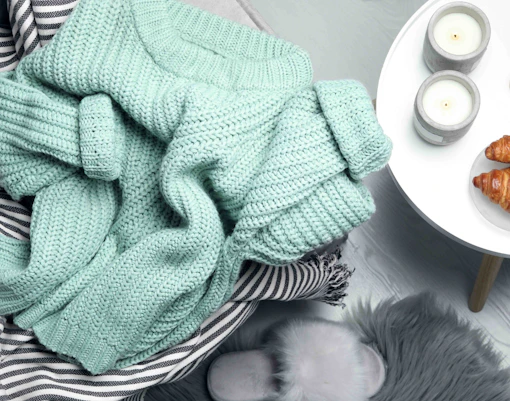
A lightweight cardigan, shawl, or overshirt makes it easy to adjust to the weather while providing shoulder coverage if needed.

You may overheat in heavier clothing or need to buy a cover-up before entering if your outfit doesn't meet the dress code.

Hat for outdoor areas

Recommended

A hat provides sun protection while queuing or exploring St. Peter's Square but should be removed before entering churches and the basilica.

You'll likely be less comfortable outdoors, especially during summer, though it won't affect entry.

Regular city clothes or Vatican‑ready outfit?

You can’t rely on throwing on a last-minute layer at the Vatican; shoulders and knees must already be covered, and sheer or low-cut pieces can still fail the check. Think of your museum day as slightly more conservative than typical Rome streetwear: knee-length bottoms, a sleeved top, and opaque fabrics. A light cardigan or scarf lets you keep your usual style while switching to “chapel-appropriate” mode. Plan one Vatican-ready outfit instead of packing backup clothes.
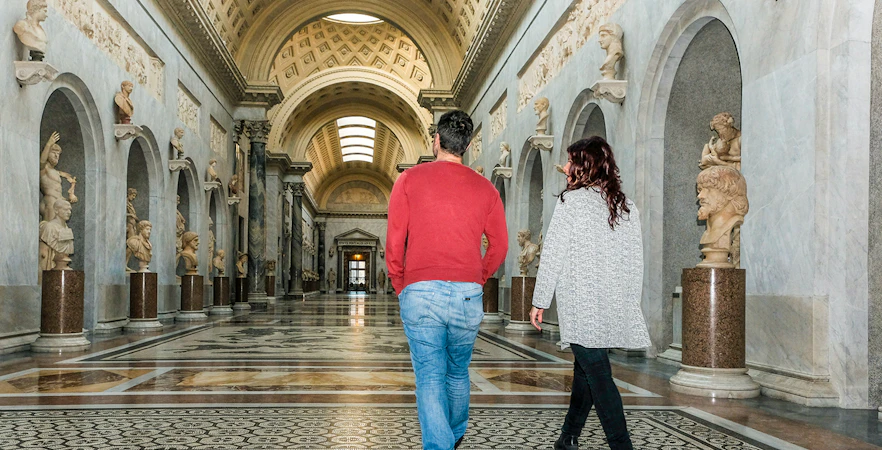
Tour group walking through Braccio Nuovo, Vatican Museums, Rome.

What to wear for comfort at the Vatican

A Vatican visit typically involves several hours of walking through long galleries, courtyards, staircases, and marble or stone floors.

  • A breathable sleeved top (or a light cover-up over a simple T-shirt) with knee-length or longer bottoms in lightweight, travel-friendly fabrics helps you stay comfortable while meeting the dress code.
  • Closed, flat shoes with good grip are far more comfortable than sandals on polished marble and stone floors.
  • A small backpack or crossbody bag is easier to manage than a larger bag, especially when moving through crowds and cloakroom checkpoints.
  • In warm weather, wear light layers that you can easily add or remove while keeping your shoulders and knees covered.

Seasonal & weather tips

Summer (June–August)

  • How it feels: Hot and sunny, with temperatures often reaching above 30°C. Security queues can mean spending time outdoors before entering the Vatican Museums or St. Peter's Basilica.
  • What to wear: Lightweight, breathable, non-sheer clothing that keeps your shoulders and knees covered, comfortable walking shoes, and a hat for outdoor queues.
  • Tradeoff: The lightest outfit isn't always the smartest—if your clothing is too sheer or revealing, you could end up buying a cover-up before you even reach the entrance. Breathable, modest fabrics avoid the extra stop.

Spring & autumn (March–May, September–November)

  • How it feels: Mild days with cool mornings and evenings, making it comfortable to explore both the Vatican Museums and St. Peter's Square.
  • What to wear: Breathable layers, a light cardigan or jacket, and comfortable walking shoes for a full day of sightseeing.
  • Tradeoff: You'll likely queue in the cool air before spending hours inside the museums, so choose a layer you'll be happy tying around your waist or packing away instead of carrying a bulky jacket all day.

Winter (December–February)

  • How it feels: Cool temperatures with occasional rain and crisp mornings. Indoor galleries are generally comfortable, but outdoor queues can feel chilly.
  • What to wear: A warm coat, lightweight layers, closed walking shoes with good grip, and a scarf for extra warmth while waiting outside.
  • Tradeoff: A thick coat feels great while queuing in St. Peter's Square, but you'll be carrying it through kilometres of heated museum galleries once you're inside. Warm layers under a lighter coat are usually the more comfortable choice.

Rainy days (October–December)

  • How it feels: Wet pavements and cobbled streets around Vatican City can become slippery, with some waiting areas exposed to rain.
  • What to wear: A lightweight waterproof jacket or compact umbrella, closed shoes with good grip, and quick-drying clothing.
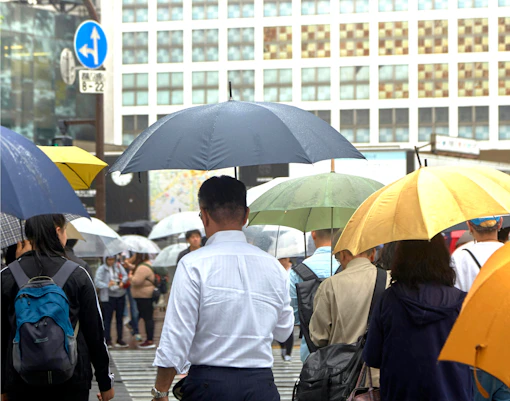
  • Tradeoff: A packable rain jacket is easier to manage than a large umbrella, which can become awkward to carry through security, crowded museum galleries, and St. Peter's Basilica once you're indoors.

Is it worth dressing up?

The Vatican does not require formal clothing, but it is a place of worship where modest and respectful dress is expected. Dressing up is a personal choice—there is no need for a special outfit as long as your clothing meets the dress code. A simple outfit, such as trousers or a longer skirt with a top that covers your shoulders, works well for the Vatican Museums, Sistine Chapel, and St. Peter's Basilica. Prioritise comfort for the hours of walking while choosing clothing that shows respect for the sacred spaces you are visiting.

Frequently asked questions about the Vatican dress code

Very strict. Staff check clothing at the entrances to the Vatican Museums, Sistine Chapel, and St. Peter's Basilica. If your shoulders or knees are uncovered, or your clothing is too revealing, you may be refused entry until you cover up.

More reads