Jubilee 2025: Your Holy doors pilgrimage guide

The Holy Doors are sacred portals found within the four major Papal basilicas in Rome: St. Peter's Basilica, the Archbasilica of St. John Lateran, the Basilica of St. Mary Major, and the Basilica of St. Paul Outside the Walls. These doors are ceremonially opened only during Jubilee Years, symbolizing the spiritual journey from sin to grace. For pilgrims, crossing these doors is a profound act of faith, offering an opportunity for renewal, forgiveness, and a deeper connection with the divine.

Why do the Holy Doors matter?

The tradition of the Holy Doors dates back to 1423 when Pope Martin V first opened the door at St. John Lateran. Since then, the custom has expanded to include Rome’s four major basilicas. Each basilica’s Holy Door is sealed from the inside and only opened during Jubilee years by the Pope, marking the start of a Holy Year.

Holy Doors overview for Jubilee 2025

BasilicaOpening dateClosing dateNotesExplore the basilica

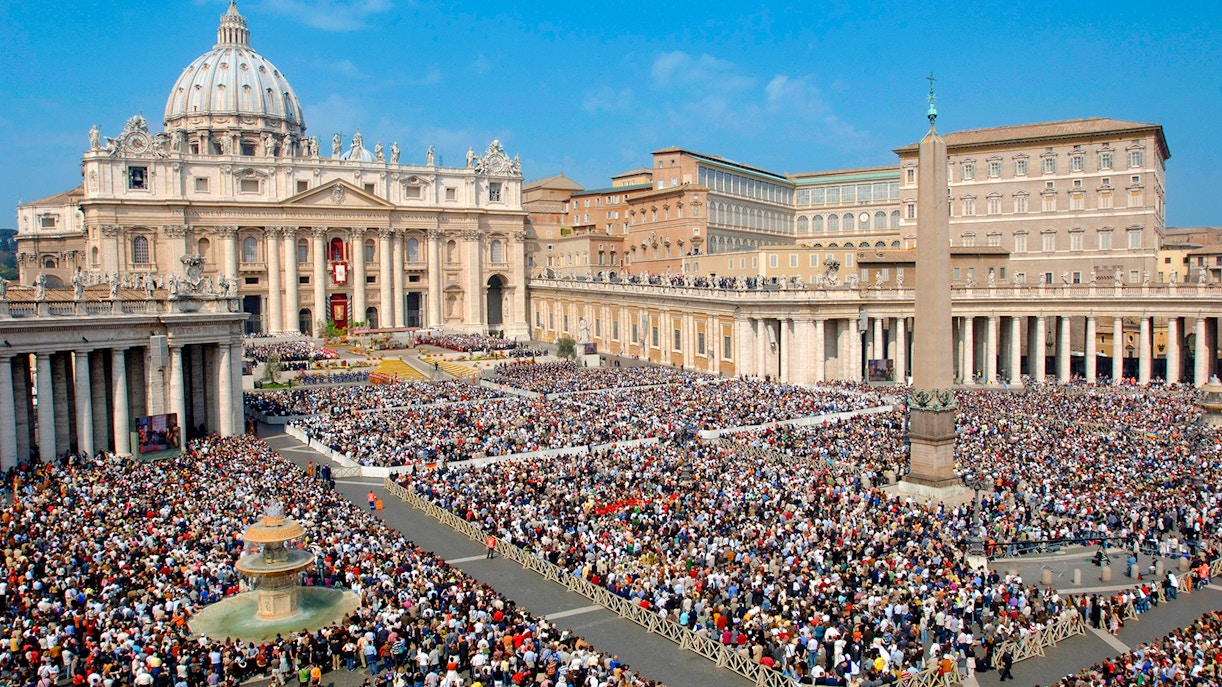
St. Peter’s Basilica (Vatican)

24 December 2024

6 January 2026 (Feast of the Epiphany)

The first door to be opened, and the last to be closed, marking both the start and end of the Jubilee.

St. Peter’s Basilica

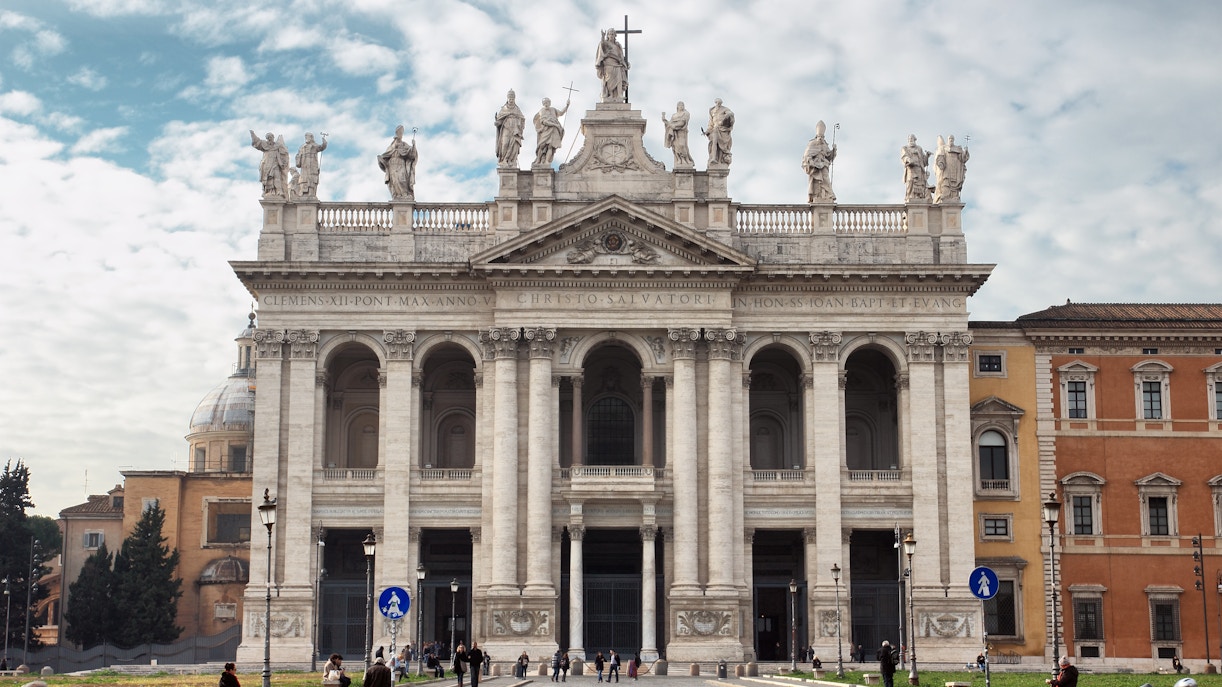
Archbasilica of St. John Lateran

29 December 2024

28 December 2025

The Lateran Basilica is the Pope’s cathedral in Rome.

St. John Lateran

Basilica of St. Mary Major (Santa Maria Maggiore)

1 January 2025 (Solemnity of Mary, Mother of God)

28 December 2025

Dedicated to the Virgin Mary, its Holy Door invites pilgrims to seek her protection.

St. Mary Major

Basilica of St. Paul Outside the Walls

5 January 2025

28 December 2025

Honoring St. Paul, this Holy Door reflects the call to evangelization.

St. Paul Outside the Walls

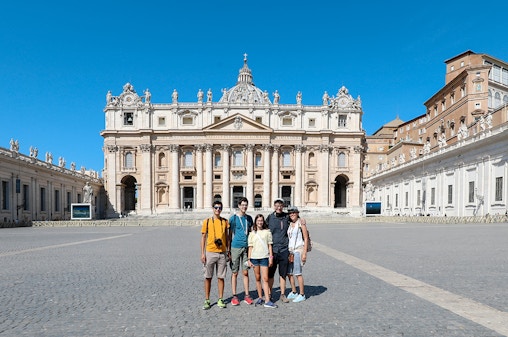
St. Peter's Basilica

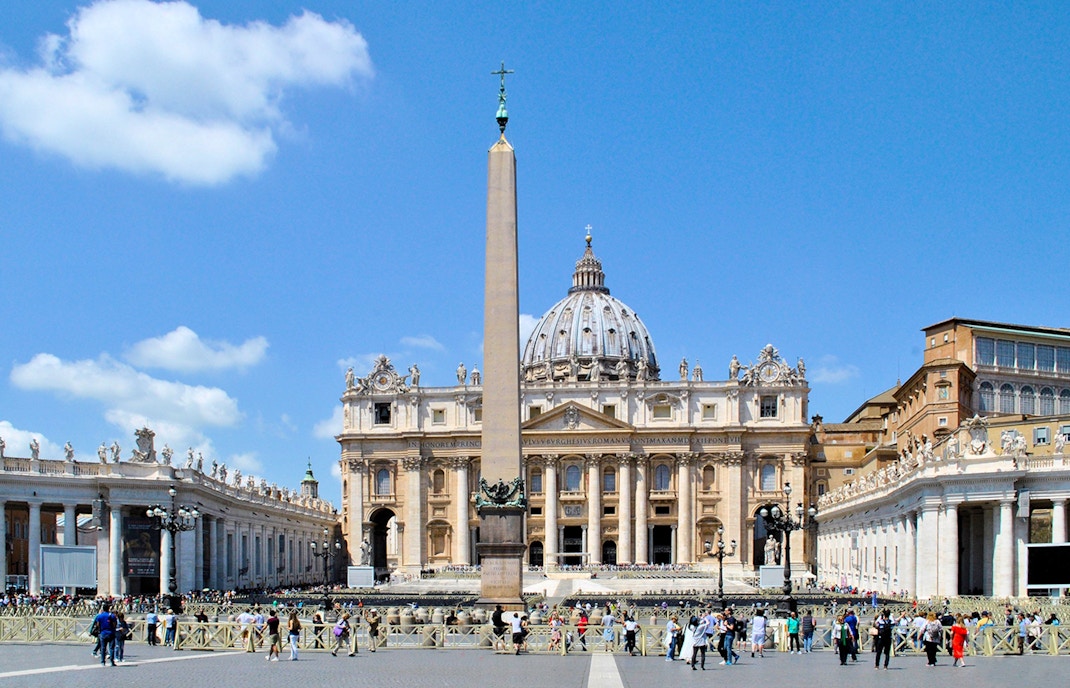
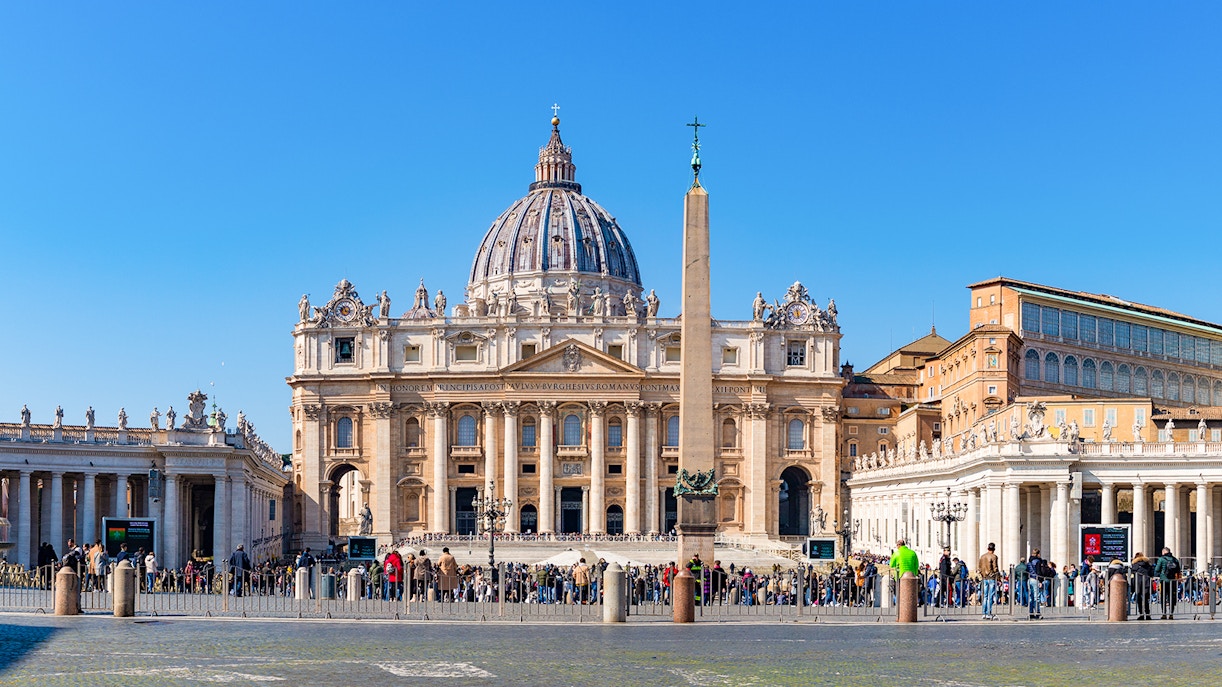
As the heart of Catholicism and the largest church in the world, St. Peter's Basilica is a major pilgrimage site. The Jubilee Year begins here with the ceremonial opening of the Holy Door on Christmas Eve.

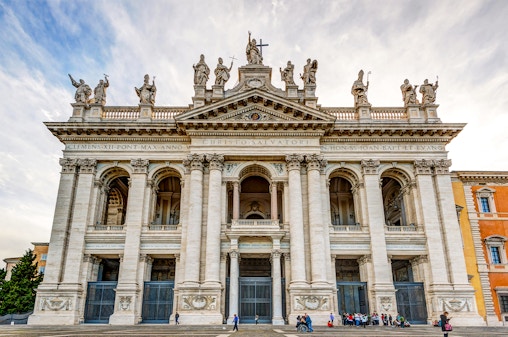
Archbasilica of St. John Lateran

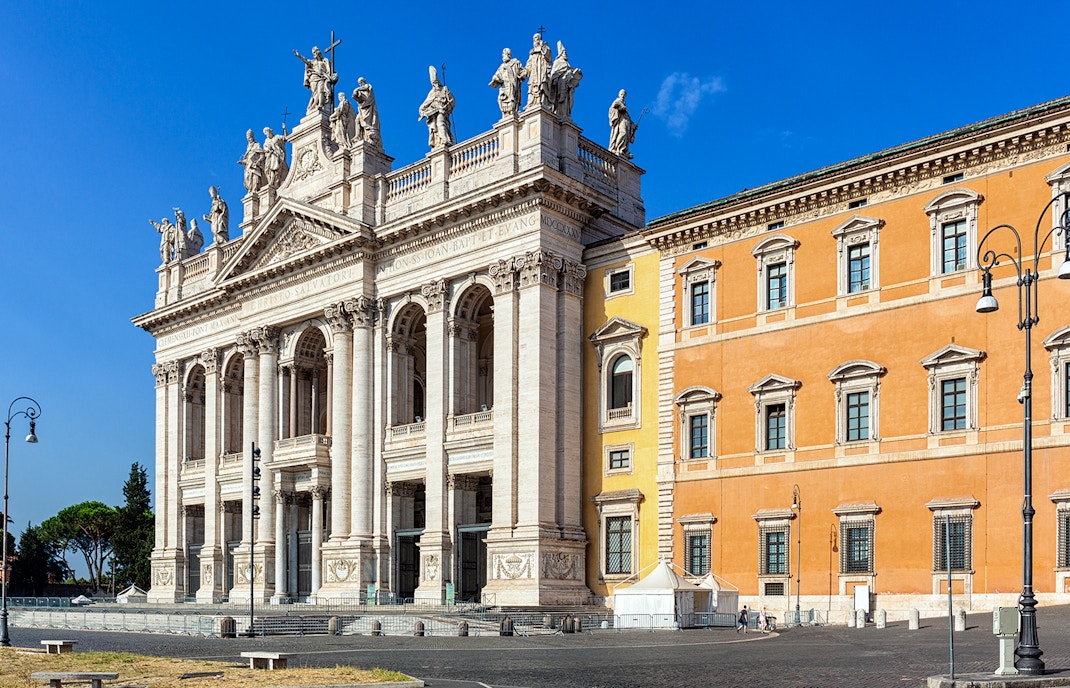
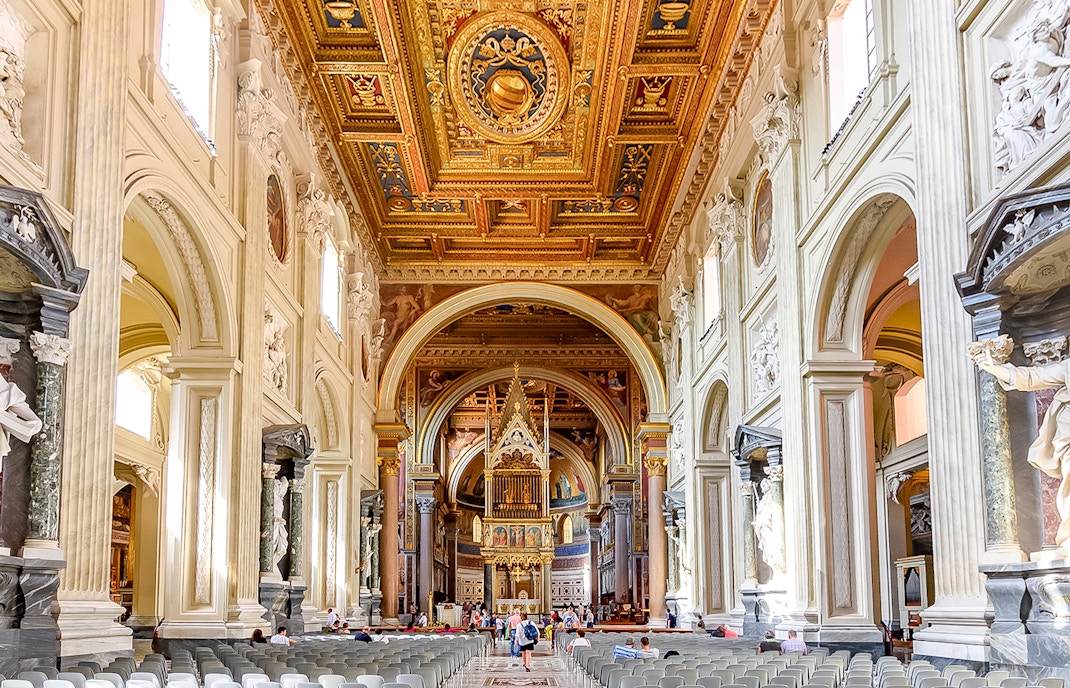
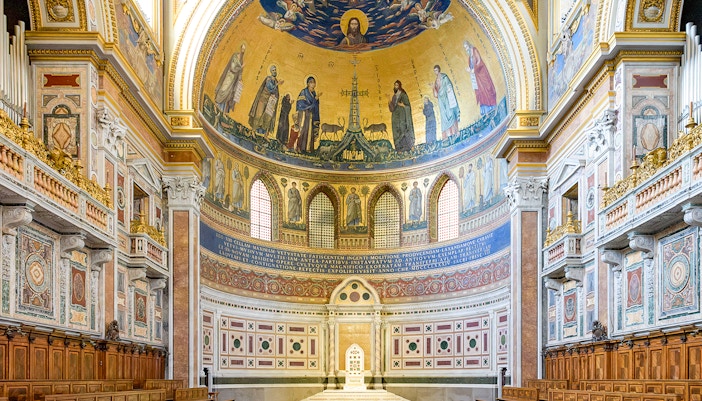
The Archbasilica of St. John Lateran is the oldest and highest-ranking of the four major basilicas, known as the "Mother Church of Western Christianity." As the cathedral of the Bishop of Rome, it holds a central place in Catholic faith and has hosted numerous papal coronations and councils.

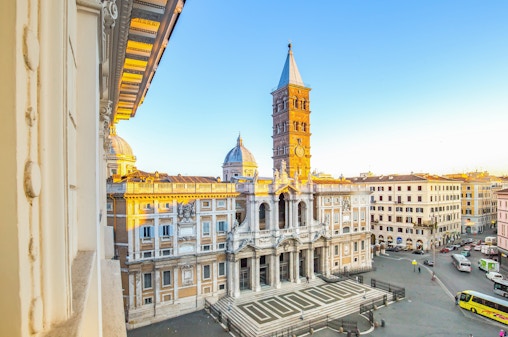
Basilica of St. Mary Major

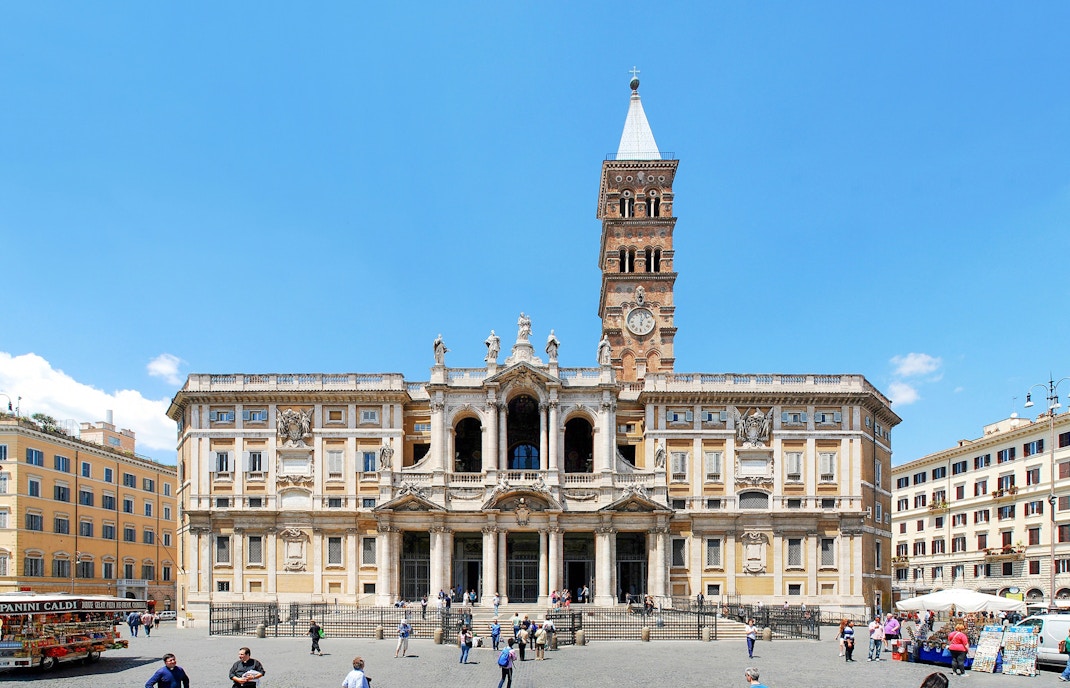
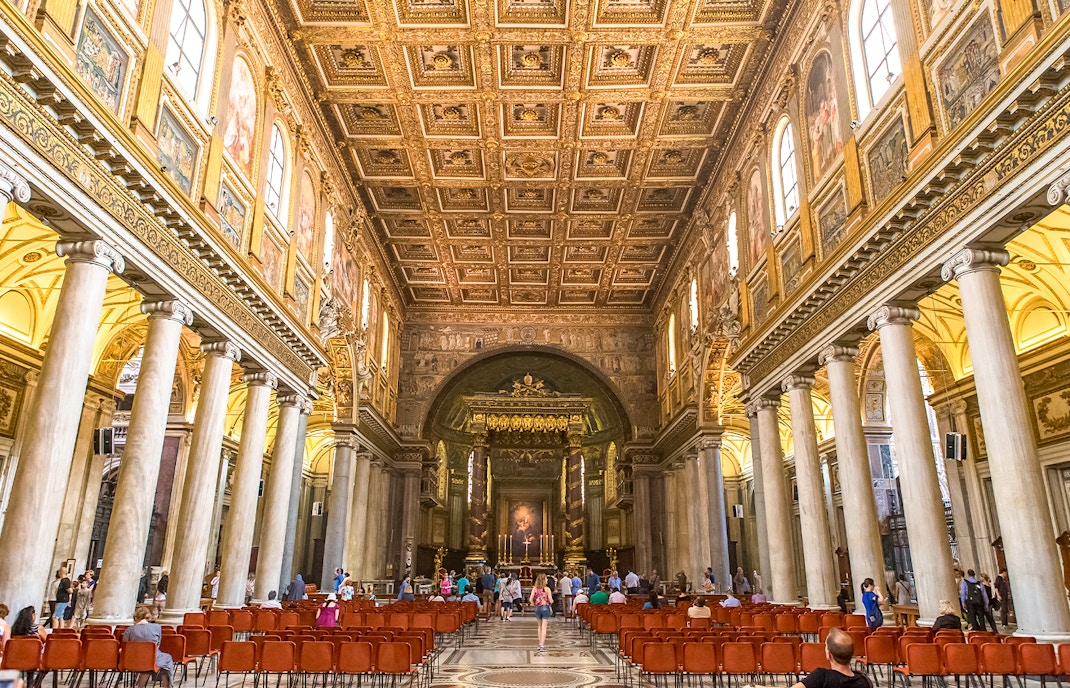
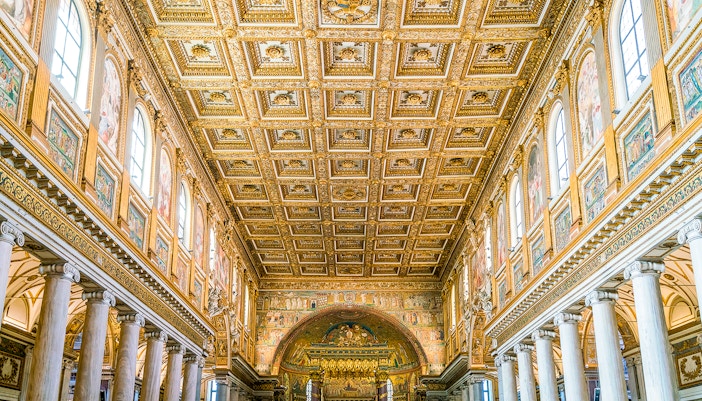
The Basilica of St. Mary Major is the largest church in Rome dedicated to the Virgin Mary. Dating back to the 5th century, it was built after the Council of Ephesus and is renowned for its Byzantine mosaics and its role in Marian devotion.

Basilica of St. Paul Outside the Walls

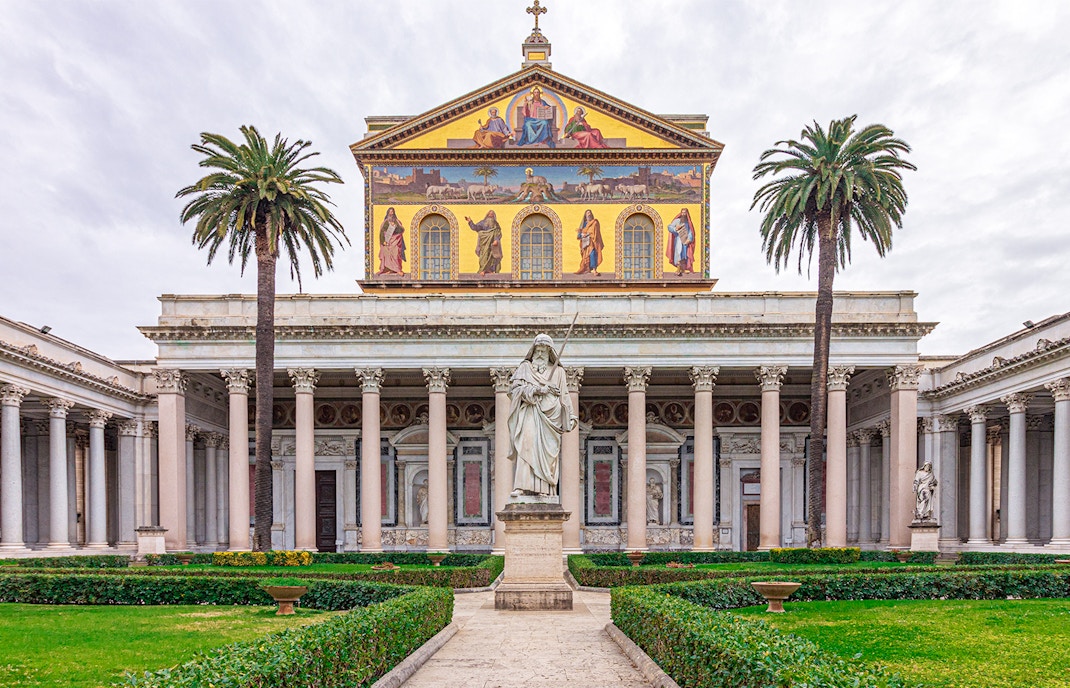
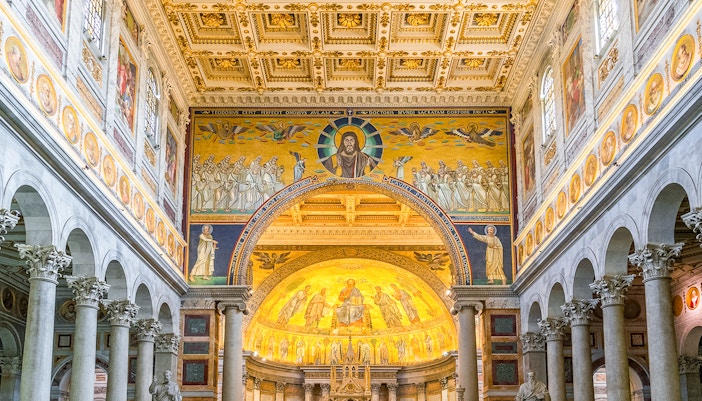
The Basilica of St. Paul Outside the Walls is a monumental tribute to the Apostle Paul, featuring Byzantine mosaics, ancient columns, and the grand apse mosaic depicting Christ with St. Peter and St. Paul. It is also the site of St. Paul’s tomb, drawing millions of pilgrims each year.

The "Fifth" holy door

The fifth Holy Door for the Jubilee of 2025 is unlike any other, it stands within the walls of Rebibbia Prison in Rome. Opened by Pope Francis on December 26, 2024, the feast of St. Stephen, this unprecedented act extends the Jubilee’s message of mercy and redemption to those often forgotten by society. It is a powerful symbol of hope, reminding all that faith knows no boundaries.

Pilgrimage itinerary options for the Holy Doors

How to prepare for your visit?

The tradition of the Holy Doors

The tradition of opening Holy Doors during special Jubilee years dates back to 1423. Pope Martin V initiated this practice at St. John Lateran. Since then, the custom has expanded to include Rome’s four major basilicas. Each basilica’s Holy Door is sealed from the inside and only opened during Jubilee years by the Pope, marking the start of a Holy Year.

Key milestones include Pope Boniface VIII’s decision in 1300 to hold Jubilees every 25 years and the introduction of indulgences for those who cross the Holy Doors. Over time, the doors have become powerful symbols of forgiveness and renewal, making them a central part of the Jubilee tradition.

An indulgence is a remission of temporal punishment due to sin, granted by the Catholic Church. Note that indulgences do not forgive sins, as that is the role of the Sacrament of Reconciliation. Instead, they reduce the temporal punishment associated with sins already forgiven.

Frequently asked questions about the Holy Doors

Pilgrims can obtain a special pilgrim's card through local parishes or designated tour operators. This card may be required for certain events and indulgences during the Jubilee. You can register online for free as well.

More reads